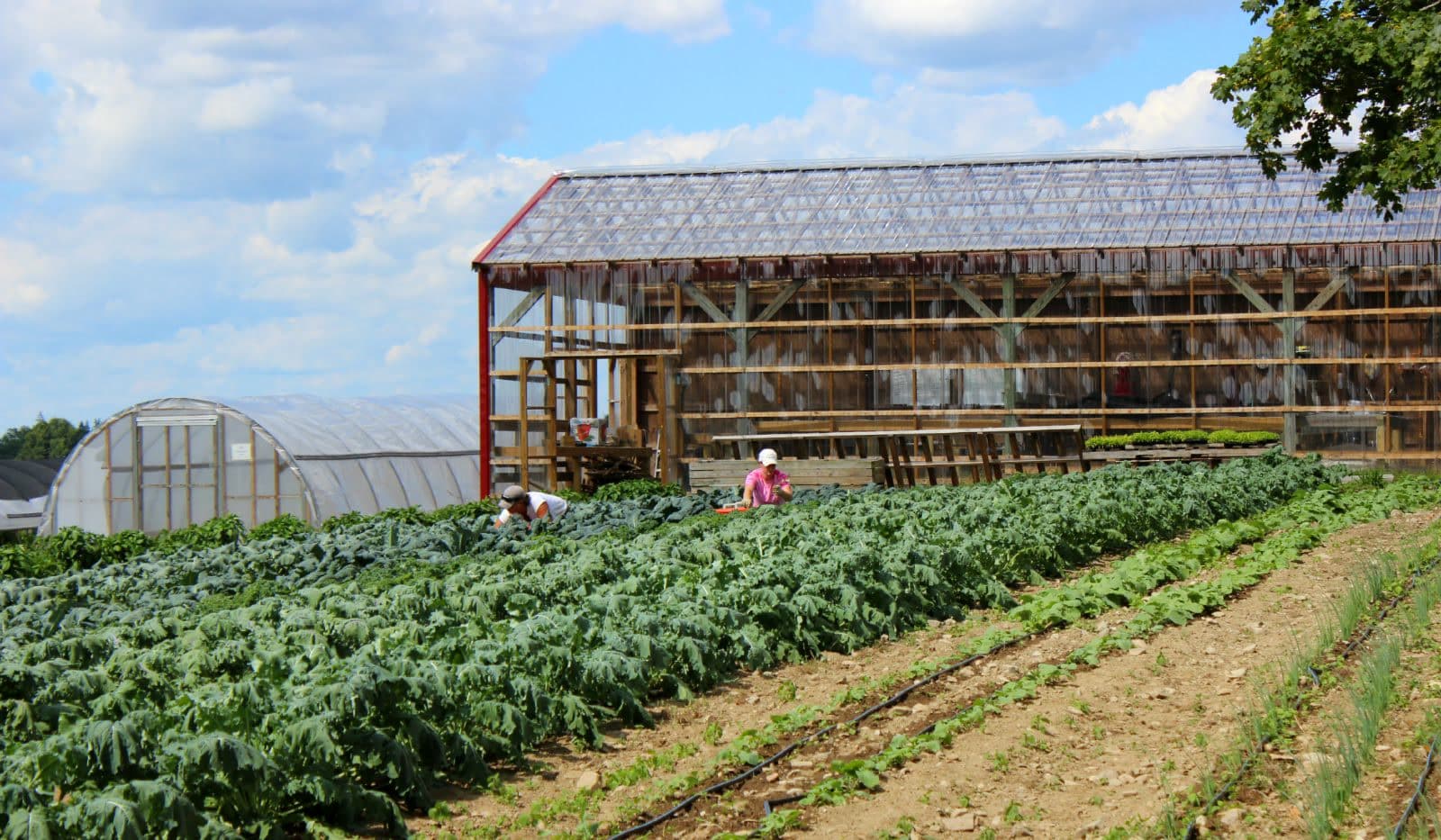
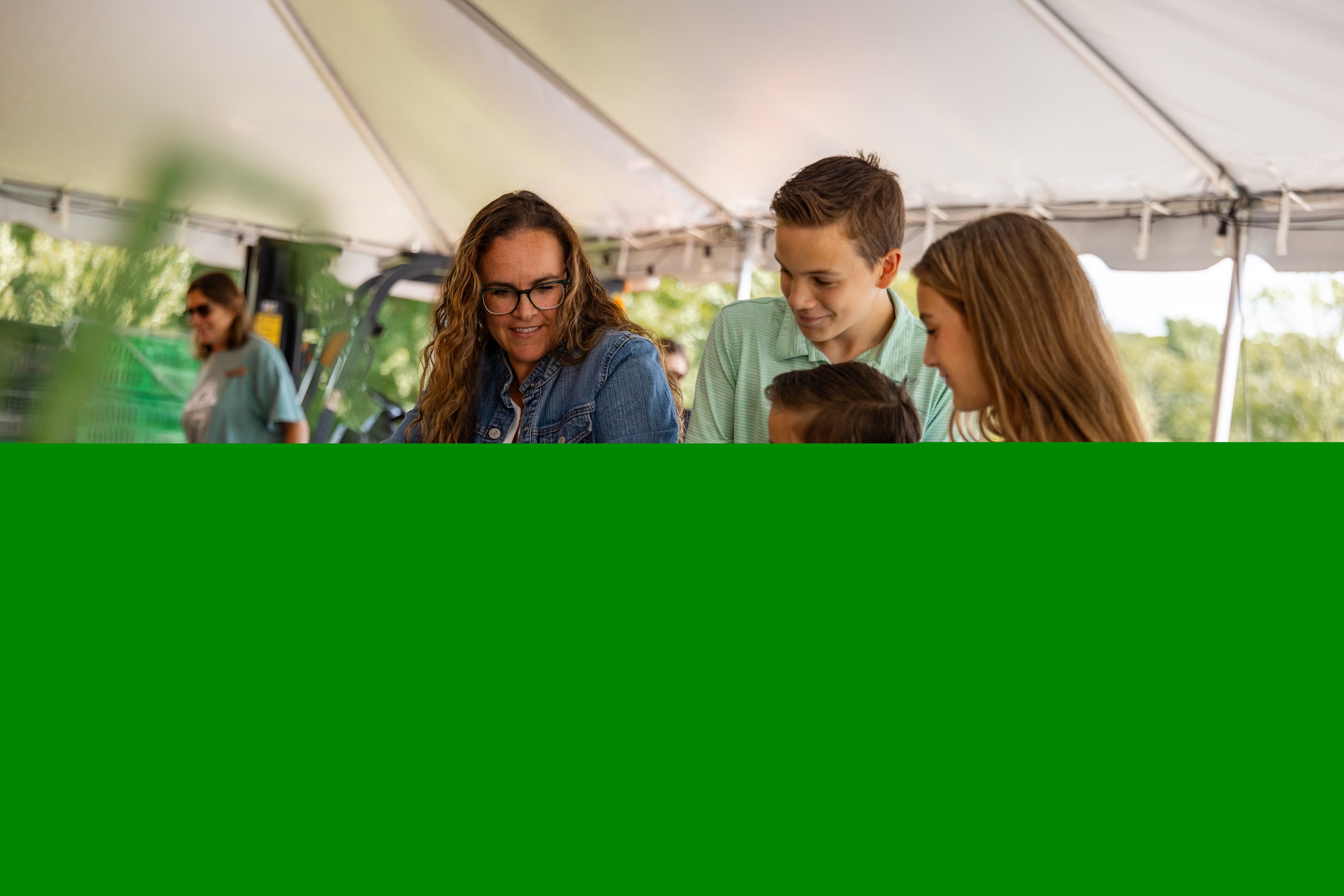
New England farm dinners can be simple or polished. Some are long-table suppers in orchards. Some are chef dinners at farms with vineyards, greenhouses, or barns. Some happen only once or twice a year. Others run as a series through summer and fall.
Farms to know
Gibbet Hill Farm in Groton is a strong Massachusetts name for people interested in farm dining. Its setting connects fields, food, and a destination restaurant atmosphere, which makes it one of the clearer farm-dinner anchors in the region.
Agricola Farm in Panton brings Vermont farm dinners and agritourism into the Champlain Valley landscape. It is the kind of place where dinner, lodging, farm production, and a rural setting can meet in one experience.
Shelburne Farms is one of Vermont's most recognizable farm landscapes. For readers interested in food, education, lake views, animals, and farm-made products, it belongs in the larger farm-dining conversation even when specific events change by season.
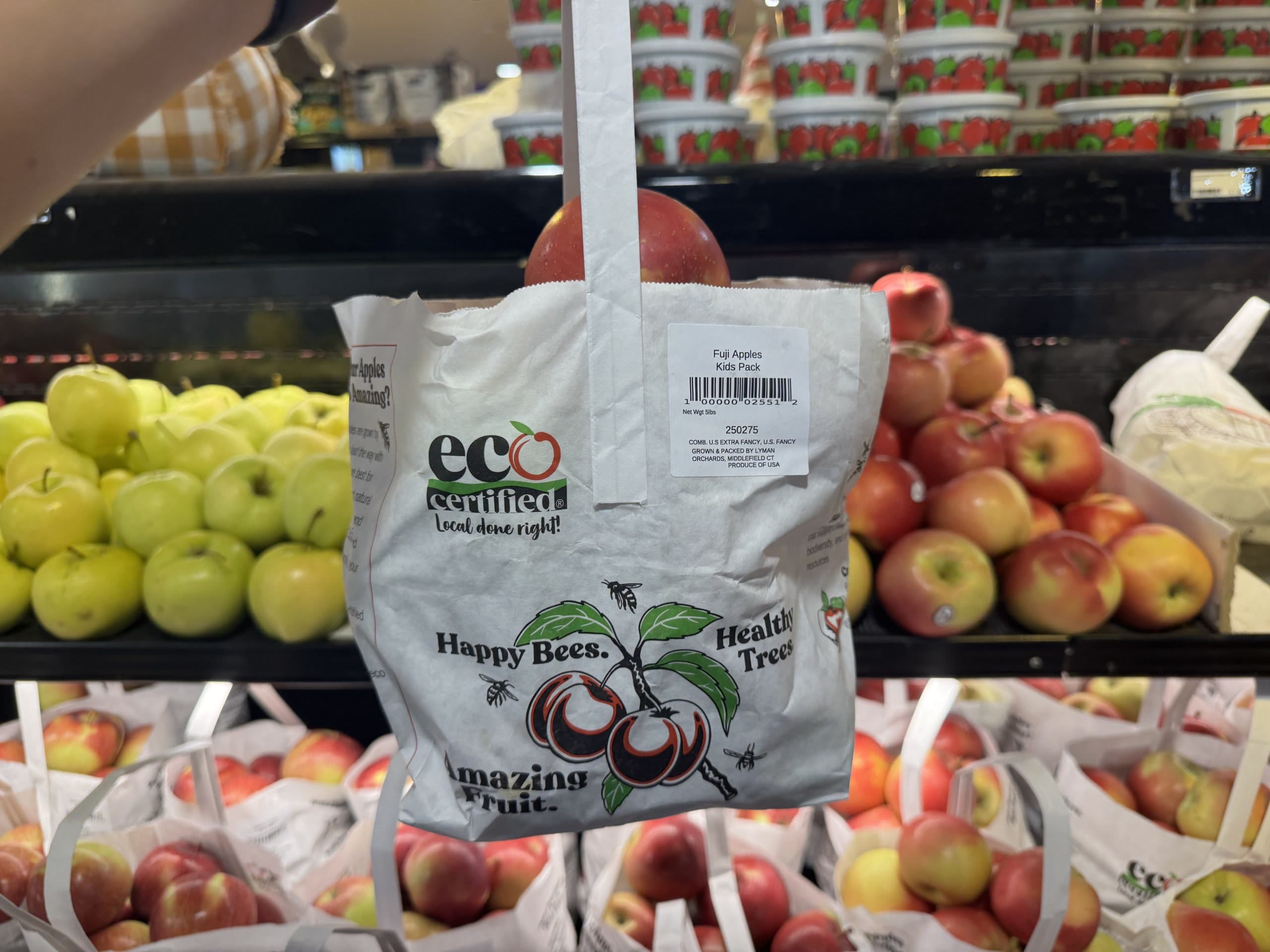
Lyman Orchards in Middlefield has the scale and seasonal energy to support orchard events, market visits, and farm food experiences. It is a useful Connecticut name for readers watching event calendars.
Bishop's Orchards in Guilford brings farm-market depth, orchard history, and Connecticut shoreline access into the same conversation. For farm dinners and orchard events, it is a name to check as the season builds.
When farm dinners happen
The strongest farm-dinner months are usually June through October. Early summer brings herbs, greens, strawberries, and outdoor evenings. July and August bring tomatoes, corn, berries, flowers, and warm-night suppers. September and October bring apples, squash, cider, pumpkins, meat, cheese, and harvest-table menus.
Tickets can sell quickly because many farm dinners are small. A dinner may depend on weather, staffing, guest chef schedules, or a specific crop moment.
What to expect
A farm dinner may be casual or refined. Some have assigned seating, wine pairings, and multiple courses. Others feel like a relaxed outdoor supper with picnic tables, a band, and a field view. Read the details carefully before booking. Look for arrival time, parking instructions, bathroom access, footwear notes, rain plans, and whether children are welcome.
Outdoor farm dinners often mean grass, gravel, uneven paths, and evening temperatures that change fast. Bring layers and shoes you can walk in.
Why farm dinners matter
They help people understand the season more clearly. A tomato served at peak ripeness tastes different when you can see the field. Cheese feels different when the dairy landscape is nearby. A peach dessert means more when orchard rows are part of the view.
Farm dinners also create a direct way to support farms beyond picking fruit or buying a dozen ears of corn. They can bring chefs, farmers, neighbors, and visitors together in a way that regular restaurant meals rarely do.
Questions people ask about farm dinners
Are farm dinners family-friendly?
Some are, and some are adult-focused. Check ticket details before bringing children.
Do farm dinners happen in rain?
Many have rain plans, but policies vary. Some move indoors or under a tent, while others reschedule.
Do I need reservations?
Yes. Farm dinners are usually ticketed events and can sell out.
What should I wear?
Wear comfortable shoes and bring a layer. Even polished farm dinners often include grass, gravel, or a short walk from parking.