Seasonal farm scene for Farm Museums and Living History Farms in New England.
Browse farms

New England

Farm Museums and Living History Farms in New England

Explore New England farm museums, historic farms, working dairy museums, gardens, animals, and educational farm visits.

June 1, 2026

A farm museum gives the farm day a deeper story. Instead of only picking fruit or buying produce, visitors see tools, barns, animals, gardens, kitchens, dairy history, field work, and the old routines that shaped rural New England.

Check the current farm update.Hours, picking conditions, tickets, and field access can change quickly. Use these cards and the map to build a short list, then confirm details on the farm page before driving.

Mapped farms

Map this farm route

The map shows the farms linked in this guide across Vermont, New Hampshire, Rhode Island, and Massachusetts. Use it to spot clusters, then open each farm page for the most current visit details.

Open full farm map

Map preview

The farm list is available now. Browse farms on this page or open the full map.

Farm photography at Billings Farm & Museum, Woodstock, Vermont.
Billings Farm & Museum
Farm photography at New Hampshire Farm Museum, Milton, New Hampshire.
New Hampshire Farm Museum

Plan

Choose a cluster

Pick two or three nearby farms from the map instead of trying to cover the whole guide in one day. New England farm routes work best when the drive is short and the stops have different strengths.

Confirm

Check same-day details

Look for crop updates, ticket rules, field closures, weather notes, and weekend parking guidance before you leave.

Bring

Pack for the season

Bring water, sun protection, closed-toe shoes, and a cooler if you plan to carry fruit, corn, cider, dairy, flowers, or prepared food between stops.

Guide notes

Read the full guide

Explore New England farm museums, historic farms, working dairy museums, gardens, animals, and educational farm visits.

These places are especially useful for families, homeschool groups, grandparents, school field trips, and travelers who like a farm visit with context. They can also save a cloudy day, because the experience is not always tied to a perfect crop window.

Places to know

Billings Farm & Museum

Billings Farm & Museum in Woodstock, Vermont, is one of the strongest farm-museum profiles in the region. It pairs dairy farm heritage with museum exhibits, farm learning, a farm store, and a Woodstock setting that feels made for a slower rural day.

New Hampshire Farm Museum

New Hampshire Farm Museum in Milton includes farm animals, gardens, events, and a May to October visitor season. It is a natural stop for people who want New Hampshire agriculture presented through history, hands-on learning, and a farm property.

Coggeshall Farm Museum

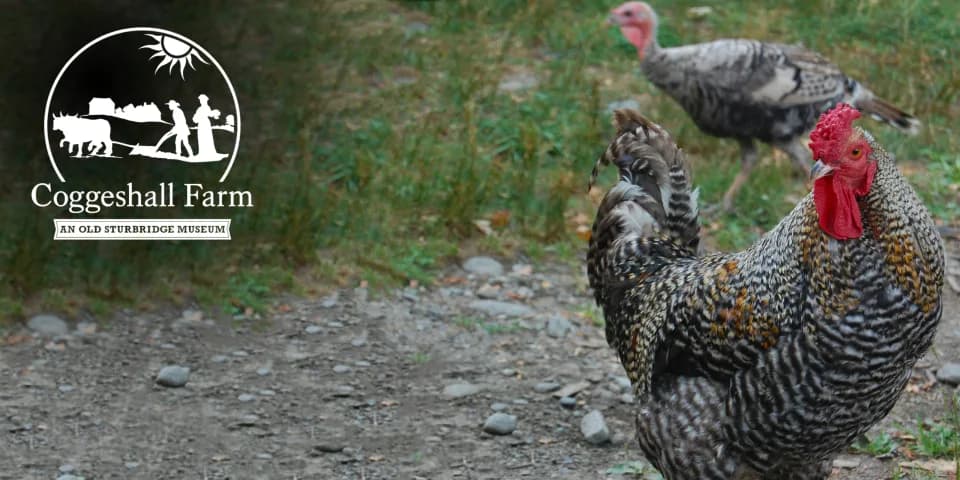
Coggeshall Farm Museum in Bristol, Rhode Island, gives the state a strong historic-farm anchor. It pairs well with Mount Hope Farm, Bristol waterfront travel, and a day that mixes history with coastal farm country.
Drumlin Farm Wildlife Sanctuary

Drumlin Farm Wildlife Sanctuary in Lincoln, Massachusetts, is not a traditional farm museum, but it belongs in educational farm searches. It combines a working farm, wildlife sanctuary, seasonal produce, animals, and family learning close to Boston.

Appleton Farms

Appleton Farms in Ipswich brings historic farm landscape, dairy, pastures, trails, and North Shore farm heritage into one destination. It is a good example of a place where the land itself carries the story.

Mount Hope Farm

Mount Hope Farm in Bristol adds another Rhode Island heritage farm setting, close to Coggeshall Farm Museum and the broader Bristol farm route.

Why these farms matter

A berry field answers one question: what is ripe today? A farm museum answers a larger one: how did people live, grow, milk, harvest, store, cook, and work here? That context makes the visit valuable even when the weather is cooler, the fields are closed, or the group includes several ages.

For school groups, look for programs, group reservations, bus access, restrooms, and educational themes. For families, look for animals, gardens, barns, short walking loops, and a place to sit afterward.

Common questions

What is a farm museum?

A farm museum uses a farm property, buildings, animals, tools, exhibits, or demonstrations to teach visitors about agricultural history and rural life.

Are farm museums good on rainy days?

Some are, especially when exhibits, barns, or indoor programs are part of the visit. Outdoor farm museums still require weather-aware planning.

Are farm museums the same as working farms?

Not always. Some are active working farms with educational exhibits. Others preserve historic buildings and demonstrate older farm practices.