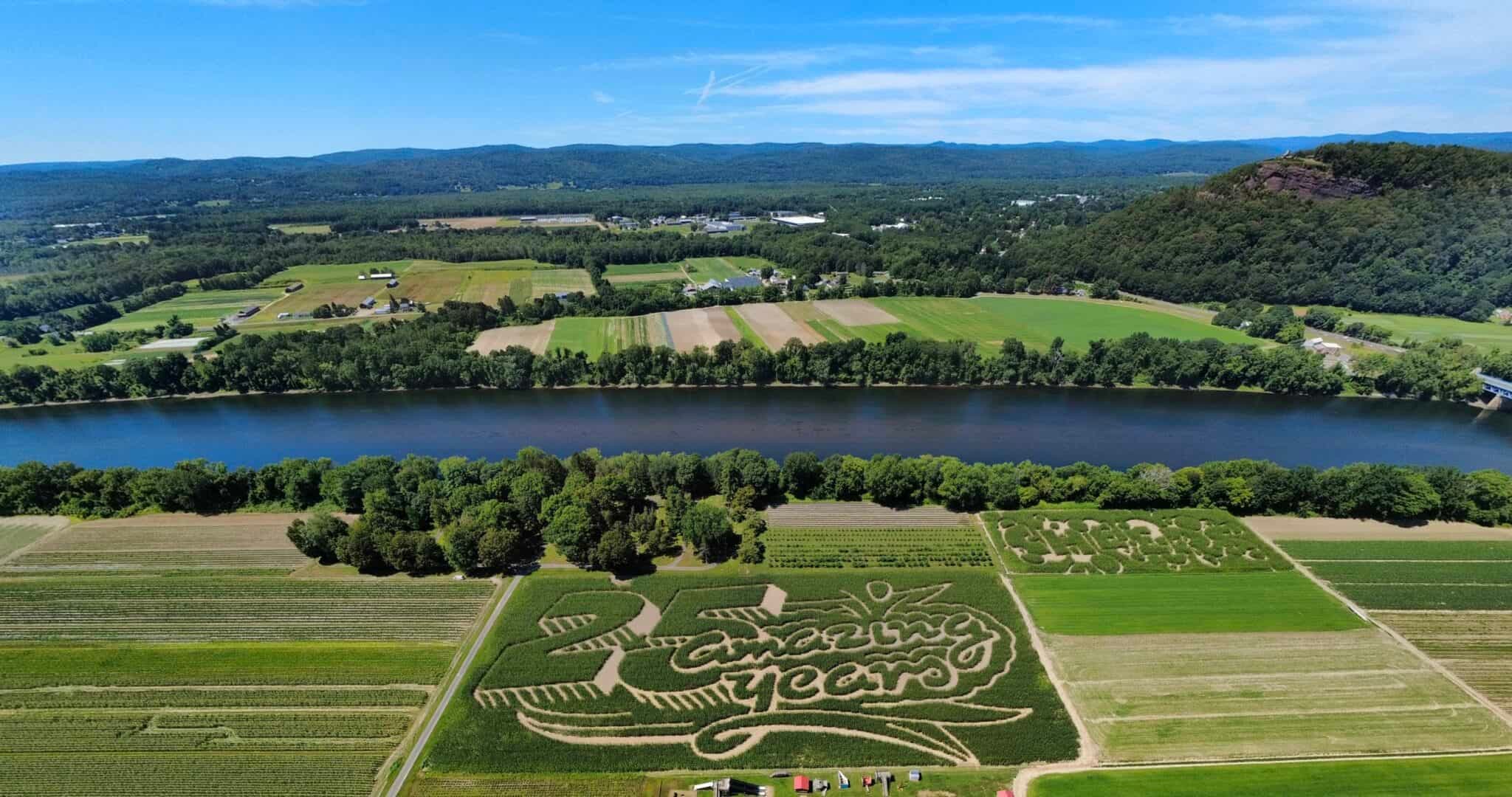
A river-valley farm day can look different depending on where you start. In Connecticut, it might mean orchards and cider near Portland, Glastonbury, or Middlefield. In Massachusetts, it might mean sweet corn, tomatoes, apples, and farm markets around Sunderland, Hadley, Deerfield, and Northampton. Farther north, the Upper Valley adds Vermont farm stands, berries, flowers, and maple shelves.
Farms to know in the river valley
Gotta's Farm and Cider Mill in Portland gives the lower Connecticut River Valley a strong orchard and cider-mill stop. The profile highlights strawberries, peaches, apples, pears, and a farmstand identity, which makes it useful across summer and fall.
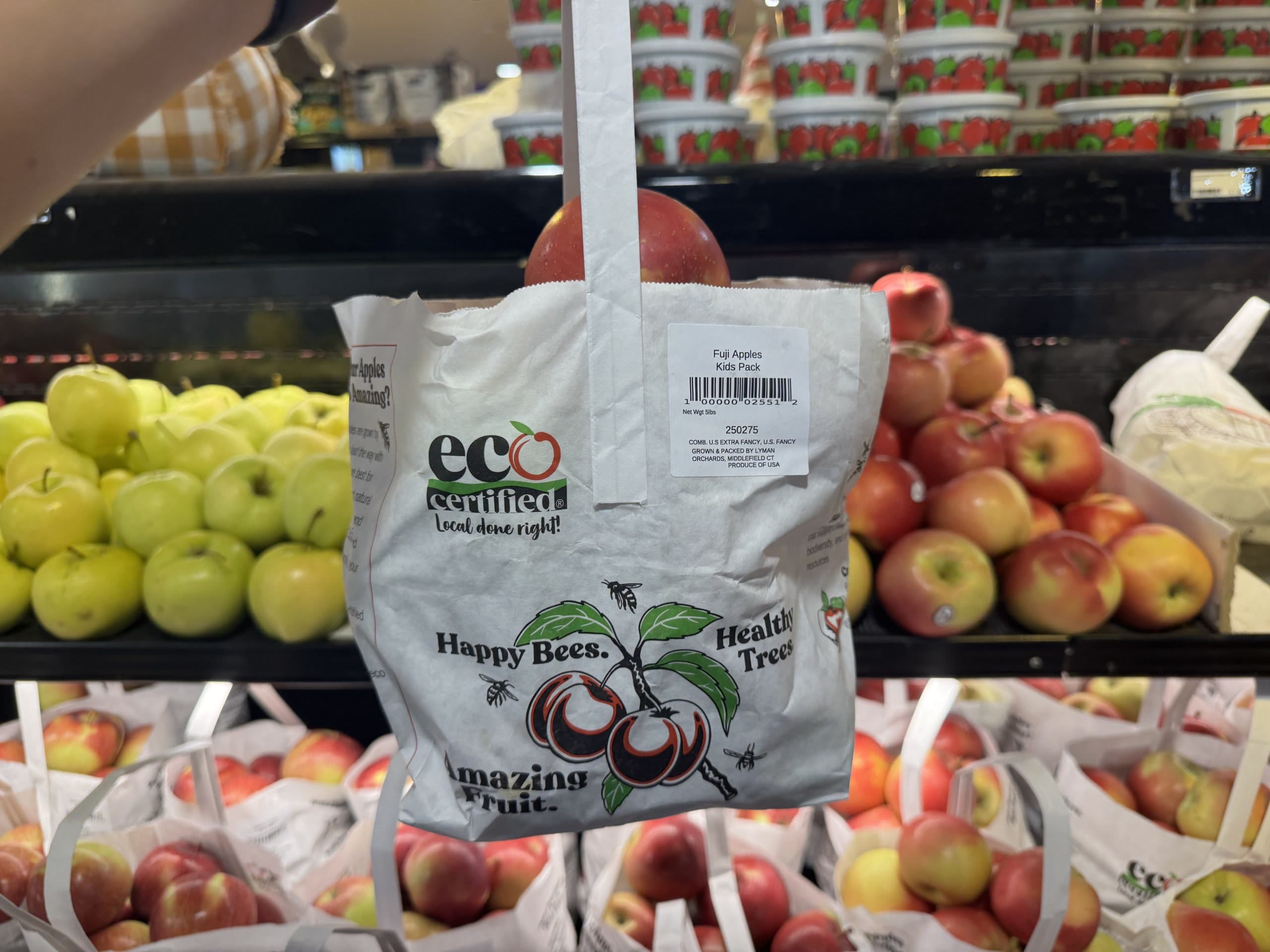
Lyman Orchards in Middlefield sits slightly away from the river, but it belongs in this region's planning orbit because it anchors central Connecticut farm trips. Pick-your-own fruit, sunflowers, pumpkins, mazes, and a farm-market identity give the farm broad seasonal reach.
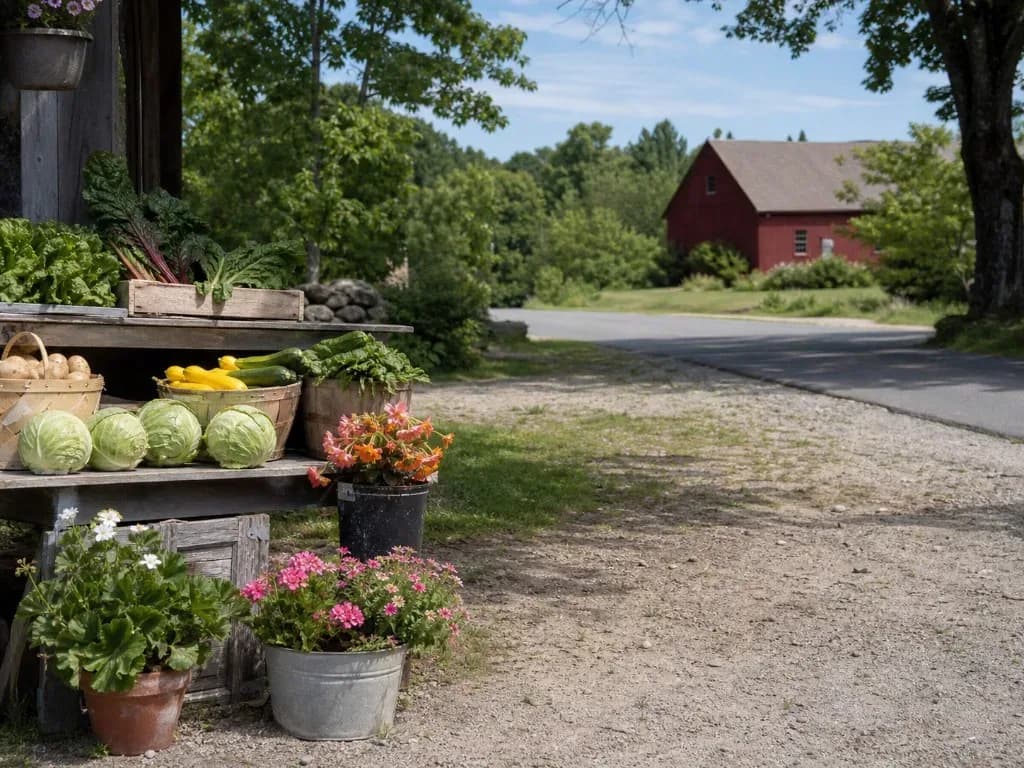
Warner Farm in Sunderland brings the Massachusetts side of the Connecticut River Valley into focus. Sunderland and nearby towns are classic farm country, with fields, farm stands, summer vegetables, corn, and fall events close to the river.
Abundance Farm in Northampton adds a community and local-food angle to the Pioneer Valley. Northampton is a natural base for readers who want farm stops close to restaurants, college-town energy, and river-valley roads.
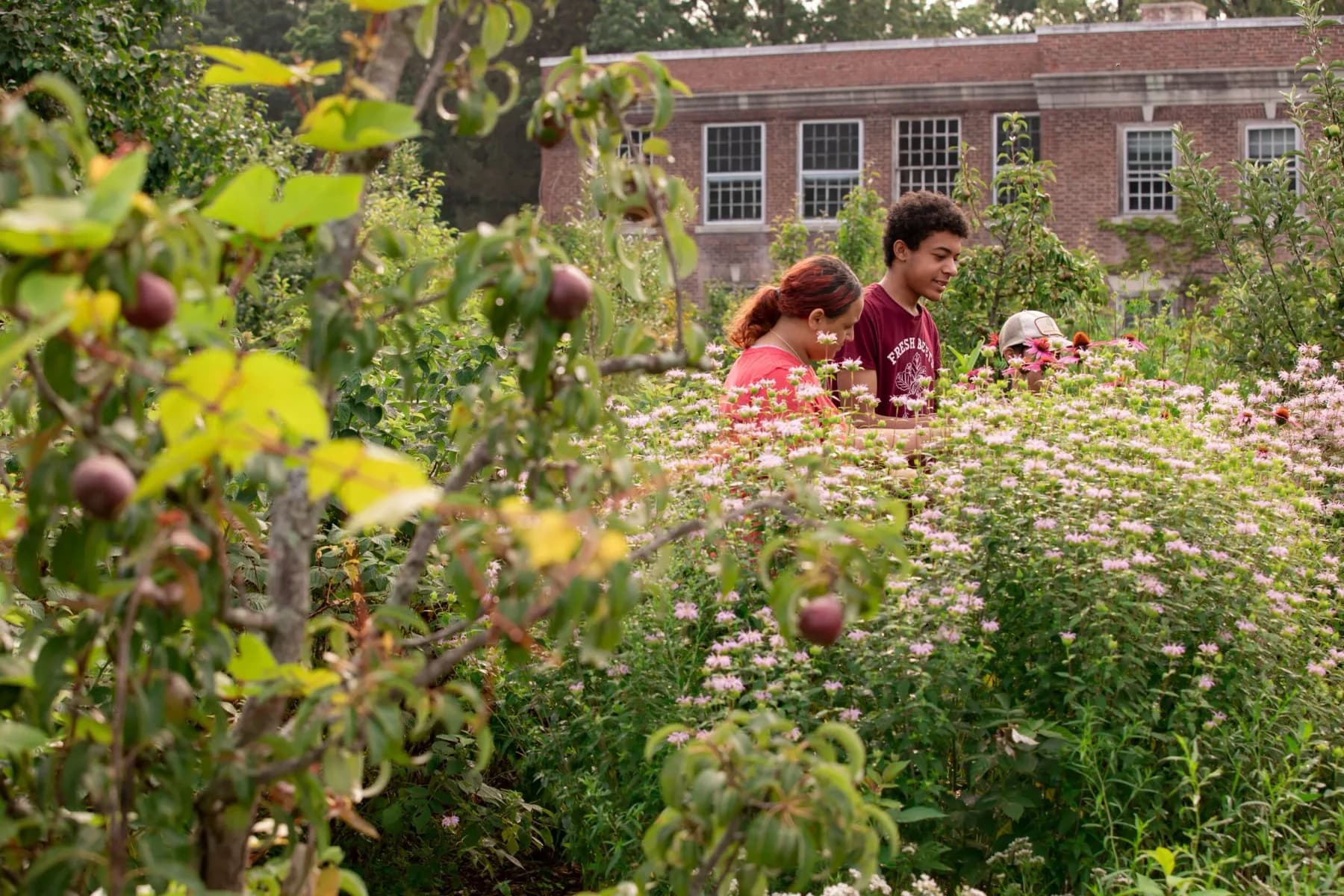
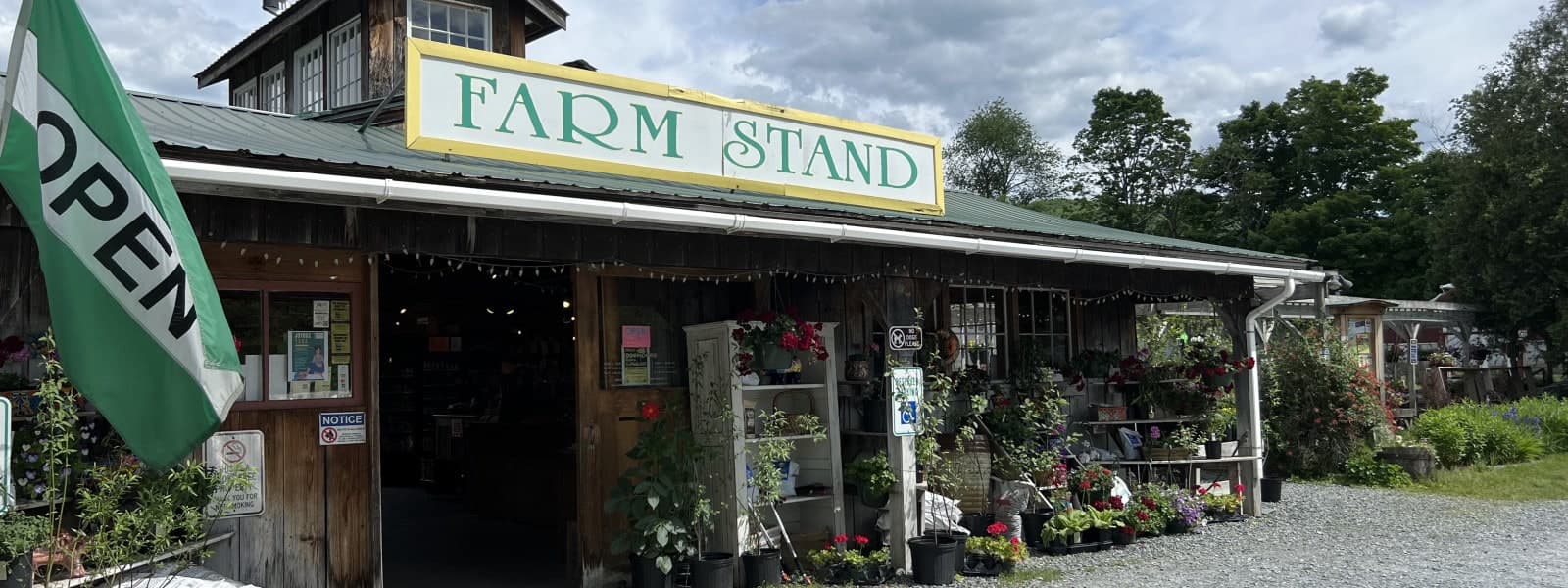
Cedar Circle Farm in East Thetford anchors the Upper Valley with vegetables, berries, flowers, farmstand shopping, and a strong Vermont food identity. It is one of the clearest farm stops for travelers near Hanover, Norwich, Thetford, and White River Junction.
Scott Farm Orchard in Dummerston gives southern Vermont river-valley travelers an orchard stop with fall appeal. It is useful for trips through Brattleboro, Putney, and nearby Connecticut River towns.
When to go
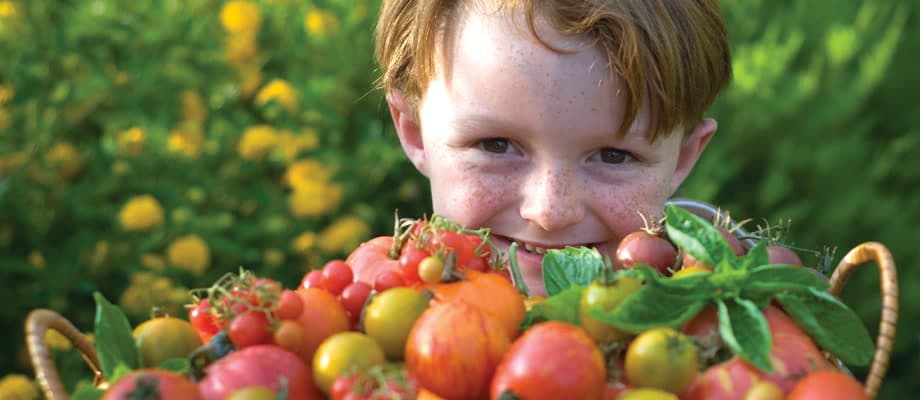
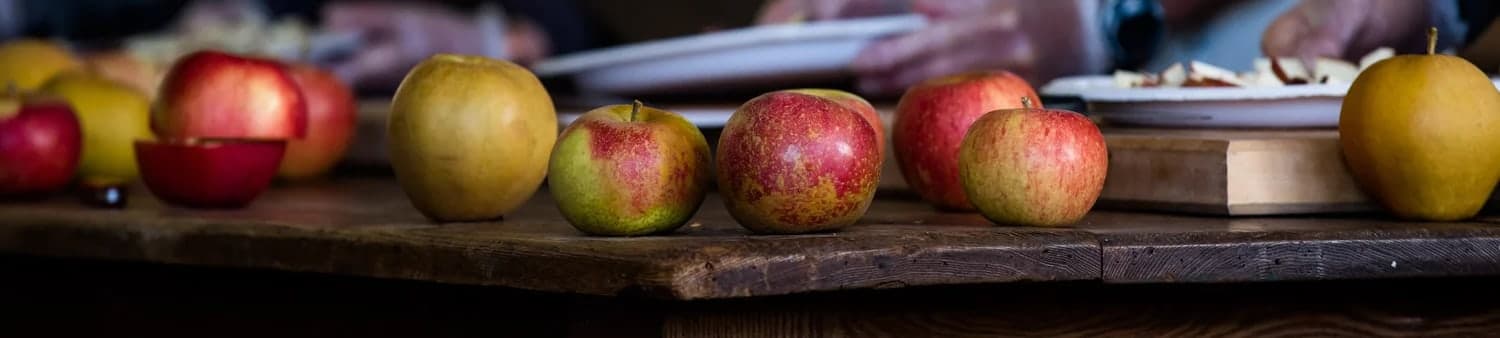
The Connecticut River Valley has one of the longest useful farm seasons in New England. June brings strawberries and greens. July and August bring blueberries, sweet corn, tomatoes, flowers, and farmstand vegetables. September and October bring apples, pumpkins, cider, squash, and foliage.
How to plan the route
Choose a section of the valley rather than trying to cover the whole thing. Central Connecticut, the Pioneer Valley, and the Upper Valley each deserve their own day. Follow the farm season first, then add the town where you want lunch, a walk, or a river view.
Common questions
What states are in the Connecticut River Valley?
The Connecticut River runs through or along parts of Connecticut, Massachusetts, New Hampshire, and Vermont.
What crops are common in the Connecticut River Valley?
Depending on the area and season, look for vegetables, sweet corn, tomatoes, berries, apples, pumpkins, flowers, maple syrup, dairy, and farmstand goods.
Is the Connecticut River Valley good for fall farm trips?
Yes. September and October bring apples, pumpkins, cider, squash, foliage, and farm markets across the region.