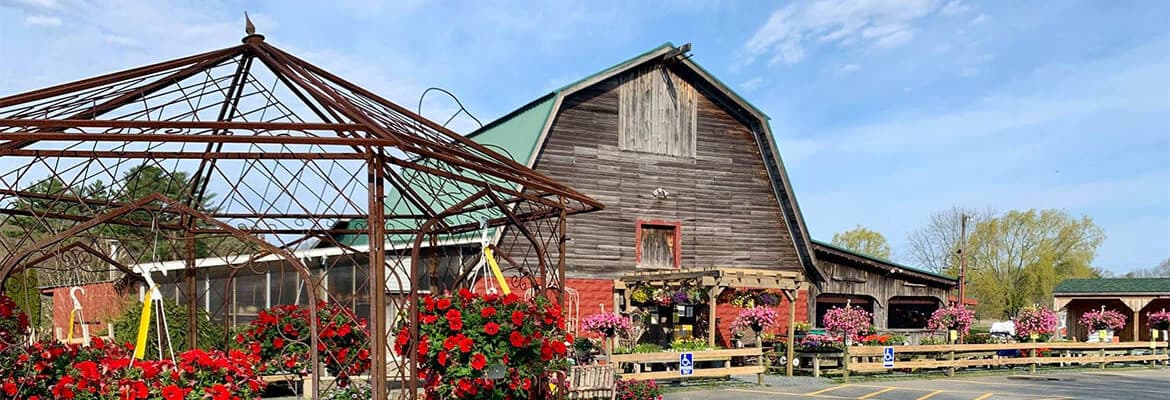
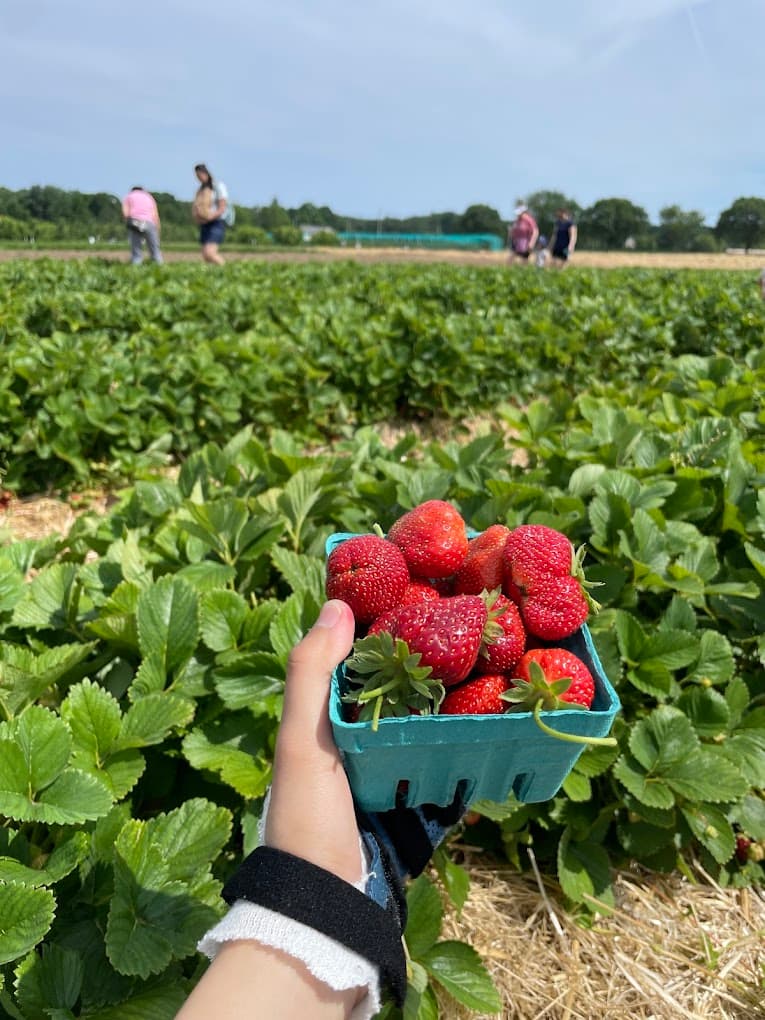
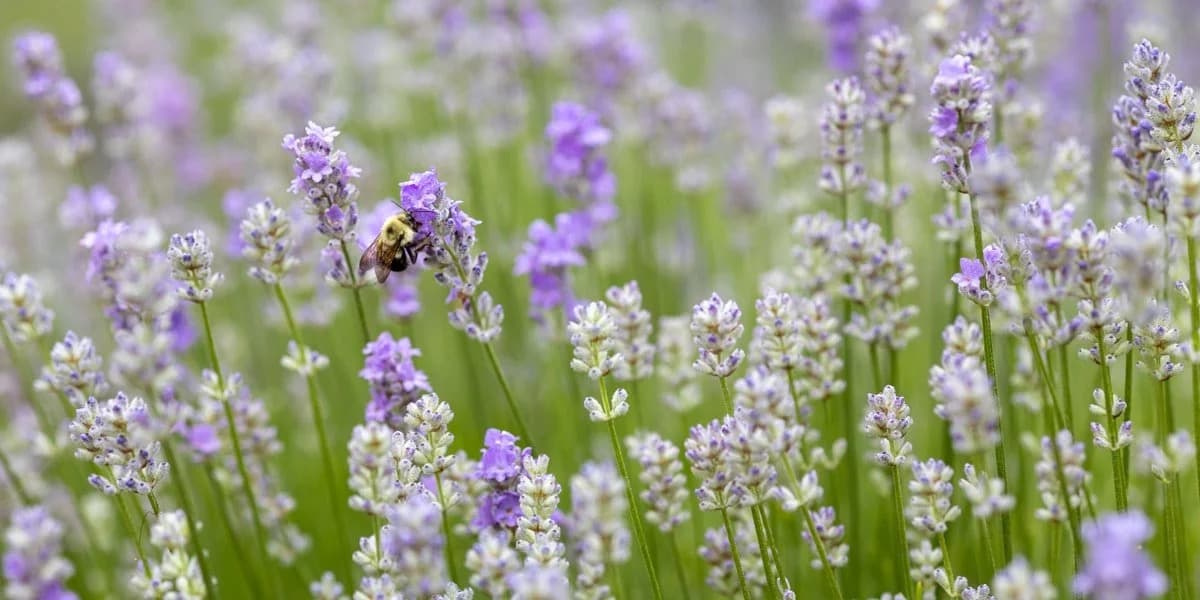
A farm stop answers that better than a supermarket. South Shore fields and Cape Cod farms can send you into the weekend with berries, corn, tomatoes, flowers, lavender, cranberry-country scenery, or a farmstand lunch that tastes like summer instead of traffic.
Farms to know along the way
CN Smith Farm in East Bridgewater is one of the most useful southeastern Massachusetts stops before the Cape. The farm has a long local history, a farm store, pick-your-own crops, berries, vegetables, peaches, and apples depending on the season. It works especially well for travelers who want a real farm errand before crossing into vacation mode.
Ward's Berry Farm in Sharon is farther north than the bridge traffic, but it is valuable for families leaving the Boston area. Berries, tulips, pumpkins, animals, hayrides, and a farmstand make it a practical first stop when the drive begins north or west of the city.
Prospect Hill Farm in Plympton keeps the Cape-bound farm day simple: strawberries, blueberries, vegetables, and a local field feel. It is a good South Shore option when you want the stop to be about fresh fruit rather than a crowded attraction.
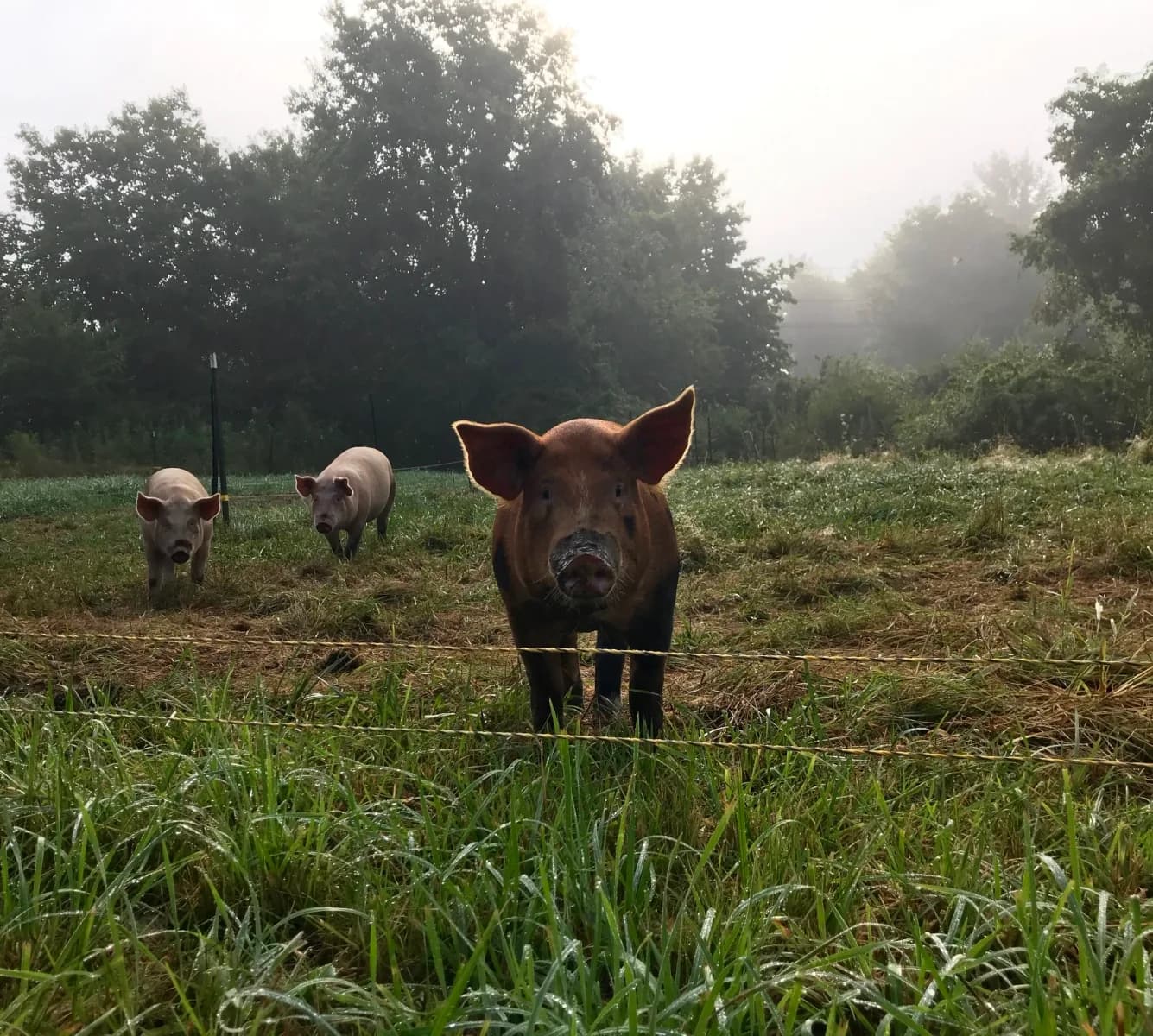
Revival Farm in Plympton adds a self-serve farmstand and local meat angle to the route. It is the kind of stop that can handle a quick pull-in for produce or pantry goods when the rest of the day already has too many moving parts.
A. D. Makepeace in Wareham brings cranberry-country identity into the Cape approach. The farm profile includes cranberries, farm store shopping, and seasonal attraction energy. For visitors who want the drive to feel tied to Massachusetts agriculture, this is one of the most regionally specific stops.
Cape Abilities Farm in Dennis turns Cape Cod farm shopping into something bright and local, with flowers, vegetables, pumpkins, and farm-store browsing. It is already on the Cape, which makes it useful for arrival day or a midweek grocery run that feels less ordinary.
Cape Cod Lavender Farm in Harwich is built for the slower side of Cape travel. Lavender, flowers, walking paths, and photo-ready summer color make it a softer stop than a produce run, especially in late June, July, and August.
What to buy before you cross the bridge
In June, look for strawberries, early greens, herbs, and flowers. July brings blueberries, raspberries, sweet corn, cucumbers, and field tomatoes. August adds peaches, heavy farmstand shelves, lavender products, and late-summer bouquets. Fall brings cranberries, pumpkins, squash, mums, apples, cider, and baked goods.
Cape travel rewards practical shopping. Buy fruit that can handle the ride, keep berries cool, and bring a tote that can sit on the floor instead of sliding around the trunk. If you are staying for a week, a farm stand can cover breakfast fruit, salad produce, flowers for the table, and something sweet for the first night.
Common questions
Are there farms on Cape Cod itself?
Yes. Cape Cod has farm stands, flower farms, lavender, cranberry bog experiences, vegetable farms, and small local markets, especially around Dennis, Harwich, Brewster, Barnstable, and nearby towns.
What is the best farm stop before Cape Cod?
For a field-and-market stop, CN Smith Farm and Prospect Hill Farm are strong southeastern Massachusetts options. For cranberry-country context, A. D. Makepeace gives the route a distinct local identity.
What should I bring for a Cape farm stop?
Bring a cooler, a tote bag, sunscreen, water, and shoes that can handle dirt or grass. If the stop is only a farm store, the cooler matters more than the shoes.