Plan
The season at a glance
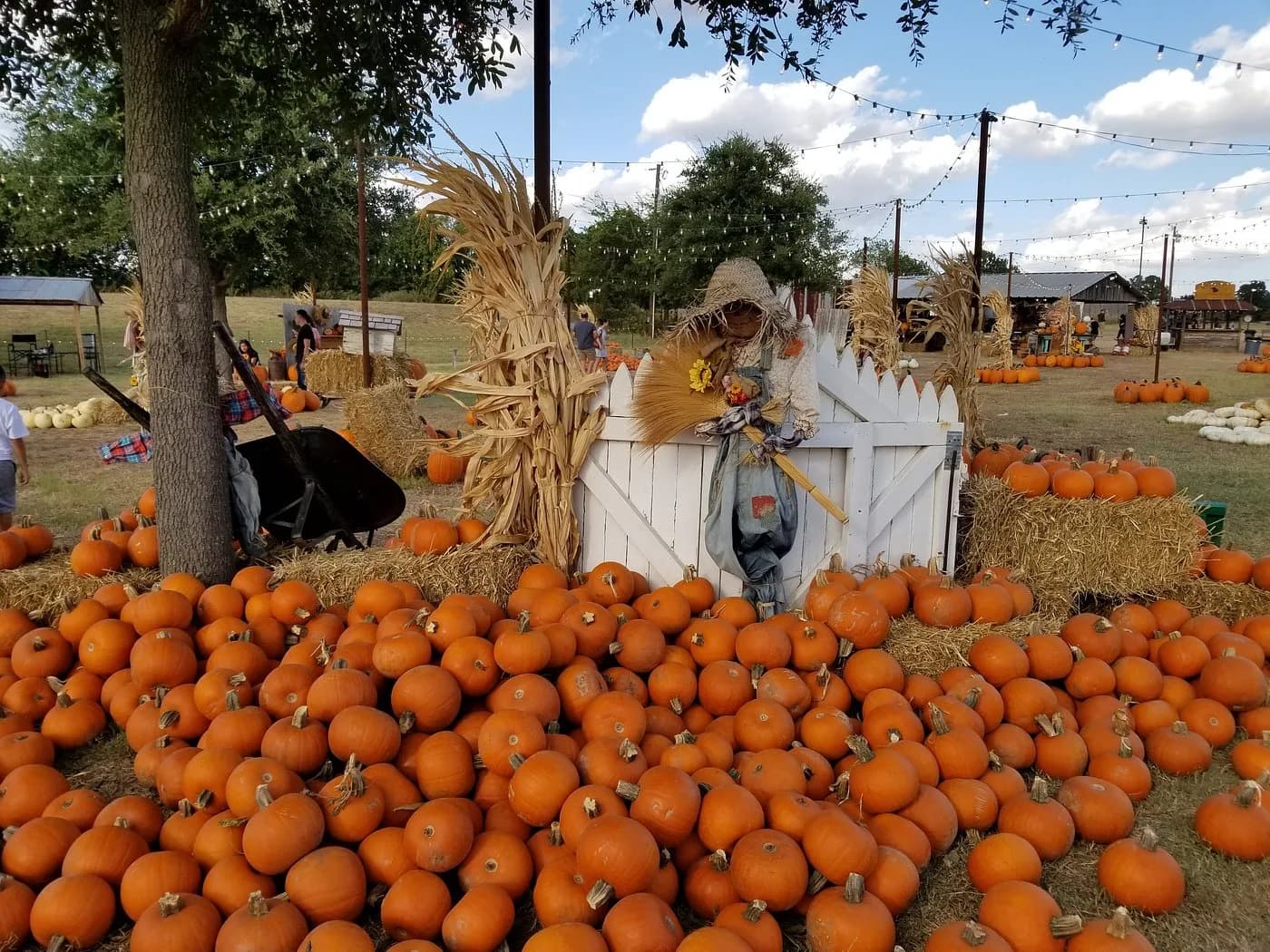
Spring is good for animals, greenhouse color, maple, seedlings, and quieter visits. Summer brings berries, flowers, ice cream, farm stores, and produce. Fall is the big family season with apples, pumpkins, corn mazes, hayrides, donuts, and photo days. Winter brings Christmas trees, wreaths, maple gifts, dairy, meat, and farm stores at select locations.
Plan
Boston, MetroWest, and the inner suburbs
Farm trips around Boston tend to be compact. Look for farm stores with prepared food, berry fields close to town, wildlife sanctuaries, and orchards that can handle a half-day visit without turning the drive into the main event.
Plan
North Shore and Merrimack Valley
Amesbury, Ipswich, Essex, North Andover, and nearby towns bring together orchards, berries, flowers, animals, cider donuts, and coastal back roads. This is one of the strongest areas for visitors who want food, fields, and a scenic ride in one outing.
Plan
Central Massachusetts and Worcester County
The middle of the state is where the farm calendar stretches out. Apples, pumpkins, Christmas trees, maple, hard cider, and farm markets are all part of the same landscape, especially around Bolton, Stow, Phillipston, Princeton, and the Quabbin-side towns.
Plan
South Shore, South Coast, and Cape routes
This part of Massachusetts feels different from the orchard belt. Cranberries, farm stands, flower fields, pasture farms, and coastal produce stops give local-food trips a more open, salt-air feel.
Plan
Pioneer Valley and the Berkshires
Western Massachusetts is generous farm country. The Pioneer Valley leans into vegetables, flowers, orchards, farm stores, and CSAs, while the Berkshires add maple, dairy, meat, and long weekend farm shopping.
Plan
What families actually need from a farm day
Short walking loops help. So do bathrooms, snacks, shade, clear parking, animals, simple activities, and a farm store where the visit can end before everyone is overtired.