Fall pumpkin field activity at a Massachusetts pick-your-own farm.

Pick-your-own

Pick Your Own Farms in Massachusetts: Berries, Flowers, Orchards, Pumpkins, and Field Days

Pick-your-own in Massachusetts changes shape every month. June strawberries, August flowers, and October pumpkins are three different kinds of morning. These farms span more than one season.

These farms cover berries, flowers, orchard crops, pumpkins, farm stands, and market stops, so you can follow the season instead of starting over every month.

Worth knowingBerry and orchard rows open and close on short windows in Massachusetts. Field notes on each listing matter, especially after heat or heavy rain.
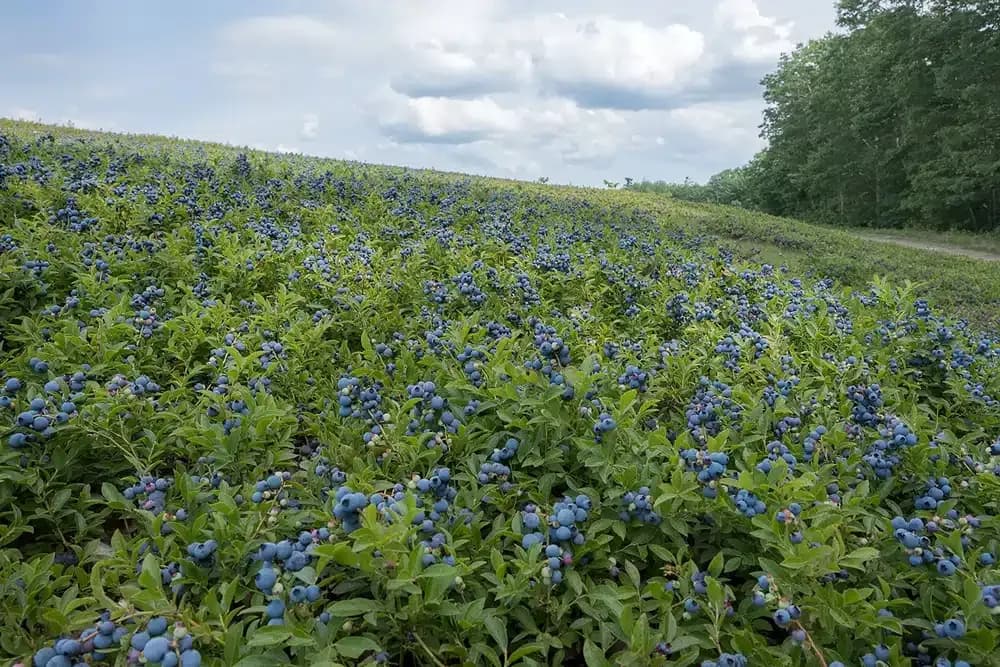
Pick-your-own berry field and barn for Massachusetts u-pick farm planning.

Pick-your-own berry field and barn for Massachusetts u-pick farm planning.

Farm picks

Farms to know

These farms give the Massachusetts pick-your-own guide a broad crop range across berries, flowers, orchards, pumpkins, and farmstand stops.

Cider Hill Farm entrance sign with tulips and open daily hours, Amesbury, Massachusetts.

Amesbury, MA

Cider Hill Farm

Cider Hill Farm brings together a North Shore orchard, a farm store, bakery treats, hard cider, pick-your-own fruit, and a fall market feel.

AmesburyMA
Red barn and sunflowers at Tougas Family Farm, Northborough, Massachusetts.

Northborough, MA

Tougas Family Farm

Tougas Family Farm is one of the strongest Massachusetts anchors for pick-your-own routes because it covers strawberries, blueberries, blackberries, apples.

NorthboroughMA
Farm photography at Red Apple Farm, Phillipston, Massachusetts.

Phillipston, MA

Red Apple Farm

Red Apple Farm is a central Massachusetts orchard with history, apples, berries, flowers, sunflowers, a farm store, and hard cider — a richer, less suburban.

PhillipstonMA
Pick-your-own strawberries in a teal pint basket in the field at Ward's Berry Farm, Sharon, Massachusetts.

Sharon, MA

Ward's Berry Farm

Ward's Berry Farm sits south of Boston with berries, tulips, pumpkins, farm animals, hayrides, and a farmstand — a practical South Shore and Norfolk County.

SharonMA
Farm photography at Drumlin Farm Wildlife Sanctuary, Lincoln, Massachusetts.

Lincoln, MA

Drumlin Farm Wildlife Sanctuary

Drumlin Farm combines a working farm, wildlife sanctuary, education, animals, seasonal produce, and a farm store — a different visit than an orchard, and a.

LincolnMA
Farm photography at Lexington Community Farm, Lexington, Massachusetts.

Lexington, MA

Lexington Community Farm

Lexington Community Farm adds a community-grown produce angle close to Boston, with vegetables, herbs, flowers, and seasonal farmstand shopping.

LexingtonMA
Red hayride wagons with yellow canopies on a green field at Smolak Farms, North Andover, Massachusetts.

North Andover, MA

Smolak Farms

Smolak Farms is a North Andover orchard and farm market name that fits the Massachusetts fall mix.

North AndoverMA

Mapped farms

Massachusetts pick-your-own farms on the map

Start with the crop you want, then keep a nearby farm in mind when a row is picked over or closed for weather.

Map preview

The farm list is available now. Browse farms on this page or open the full map.

Regions

Best regions to plan around

Greater Boston and MetroWest

From the Boston area, keep the drive realistic: Lexington, Lincoln, Sharon, Natick, Concord, Northborough, and the first ring of orchard towns west and north of the city. Farm stands, quick pick-your-own fields, cider counters, and family farms can still feel like a local errand, not a road trip.

North Shore and Merrimack Valley

Amesbury, North Andover, Haverhill, Ipswich, and the Merrimack Valley give Massachusetts fall routes a stronger orchard and farm-market feel. This region is especially useful for cider donuts, pumpkins, greenhouse browsing, apple rows, and Saturday morning farm store energy.

Central and Western Massachusetts

Central and western Massachusetts bring the slower version of the farm day. Phillipston, Worcester County, the hill towns, and the Berkshires add orchard roads, sugarhouse country, bigger skies, and farms that feel farther from the city without leaving the state.

The Massachusetts pick-your-own calendar

The season usually begins with strawberries, early flowers, greenhouse plants, and spring farm stores. Early summer brings berries, herbs, flowers, and the first real field mornings. High summer brings blueberries, raspberries, blackberries, peaches in some regions, cut flowers, tomatoes, and longer farmstand shelves.

Late summer shifts toward peaches, apples, sunflowers, pears, late berries, and heavier produce. Fall brings apples, pumpkins, squash, mums, cider, donuts, and the farm market rhythm that makes New England fields feel busy again.

A simple crop order:

  • Late spring: strawberries, flowers, seedlings, herbs, early greens
  • Early summer: strawberries, raspberries, blueberries, cut flowers
  • High summer: blueberries, blackberries, peaches, vegetables, sunflowers
  • Late summer: peaches, apples, pears, tomatoes, late flowers
  • Fall: apples, pumpkins, squash, cider, farmstand crops

How to choose the right field

A pick-your-own farm should match the crop and the person. Berry fields reward early mornings, patience, and light containers. Flower fields reward slower walking and room for photos. Orchards work well when you want a longer fall route with a farm store at the end. Pumpkin fields are best when you are ready for vines, mud, wagons, and heavier carrying.

The strongest farm day often includes one field crop and one market stop. Pick berries and buy flowers. Pick apples and bring home cider. Walk the pumpkin rows and finish with squash, mums, donuts, or local honey. That combination makes the visit feel like a real farm errand, not only a photo stop.

FAQ

Common questions

What can you pick at Massachusetts farms?

Common pick-your-own crops include strawberries, blueberries, raspberries, blackberries, flowers, apples, pumpkins, and sometimes peaches, pears, herbs, vegetables, or sunflowers depending on the farm and region.

When does pick-your-own season start in Massachusetts?

Pick-your-own season often begins in late spring with strawberries and flowers, then moves through summer berries, peaches, apples, pumpkins, and late-season farmstand crops.

Which farms are best for first-time pick-your-own visitors?

Multi-crop farms are easiest for first-time visitors because they Give you more options. A farm with fields, a market, restrooms, animals, food, or nearby farm stops can make the first outing smoother.

Community

Share a field note

Save the fields you want to visit, then add a crop note after you pick. A simple update about berries, flowers, apples, pumpkins, or field conditions helps the next visitor choose a better farm day.