Many orchards sell pears and plums at the farm stand even when they do not open those rows for public picking. Some farms offer pick-your-own when the crop is strong. Either way, August and September are the months to pay attention.
Orchards and farms to watch
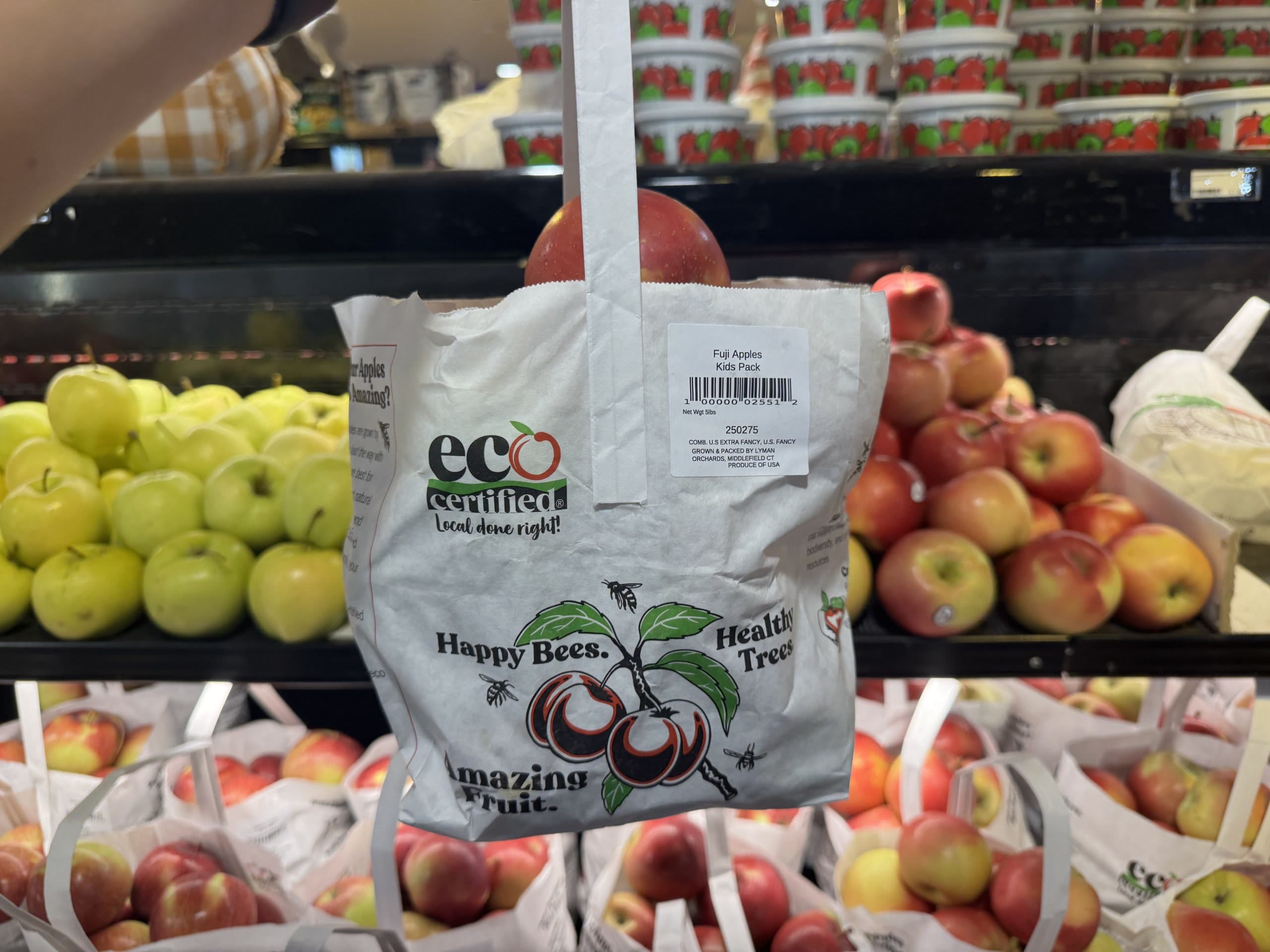
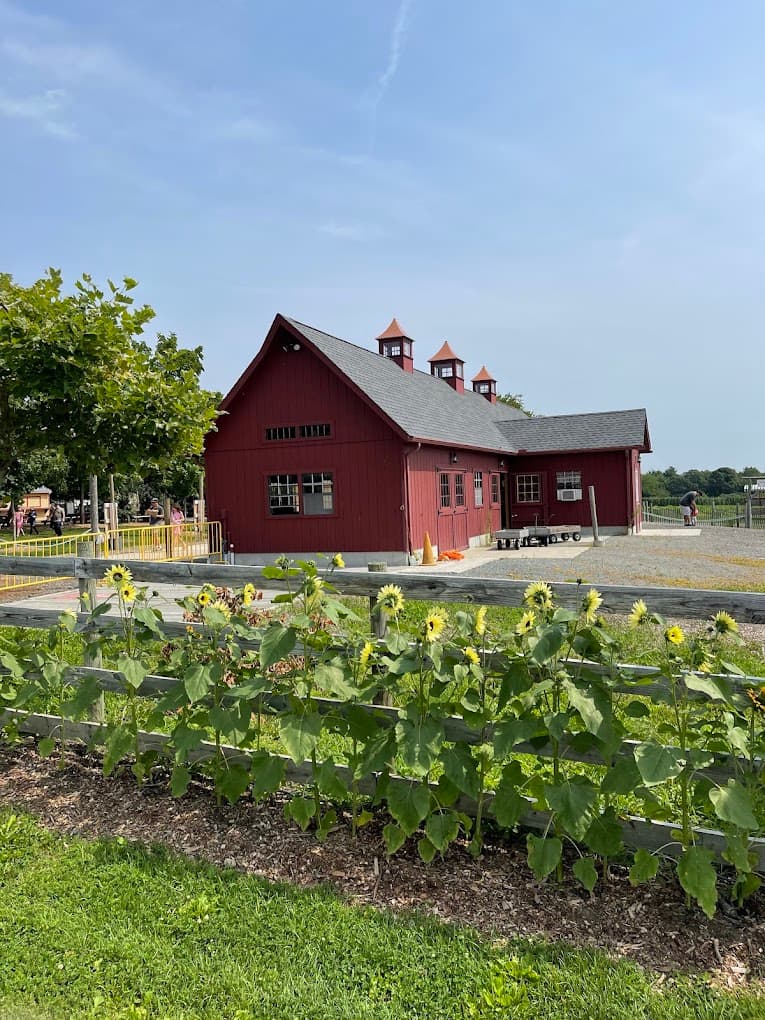
Lyman Orchards in Middlefield is one of Connecticut's big orchard names, with berries, sunflowers, mazes, farm-market energy, and a long fruit season. It is a natural place to watch for late-summer orchard fruit because the farm has the scale and visitor setup to carry people from berries into apples, pears, and fall activities.
Bishop's Orchards in Guilford is another Connecticut anchor for orchard shoppers. Farm-market strength matters with pears and plums because the fruit may be easier to find at the stand than in a public picking row.
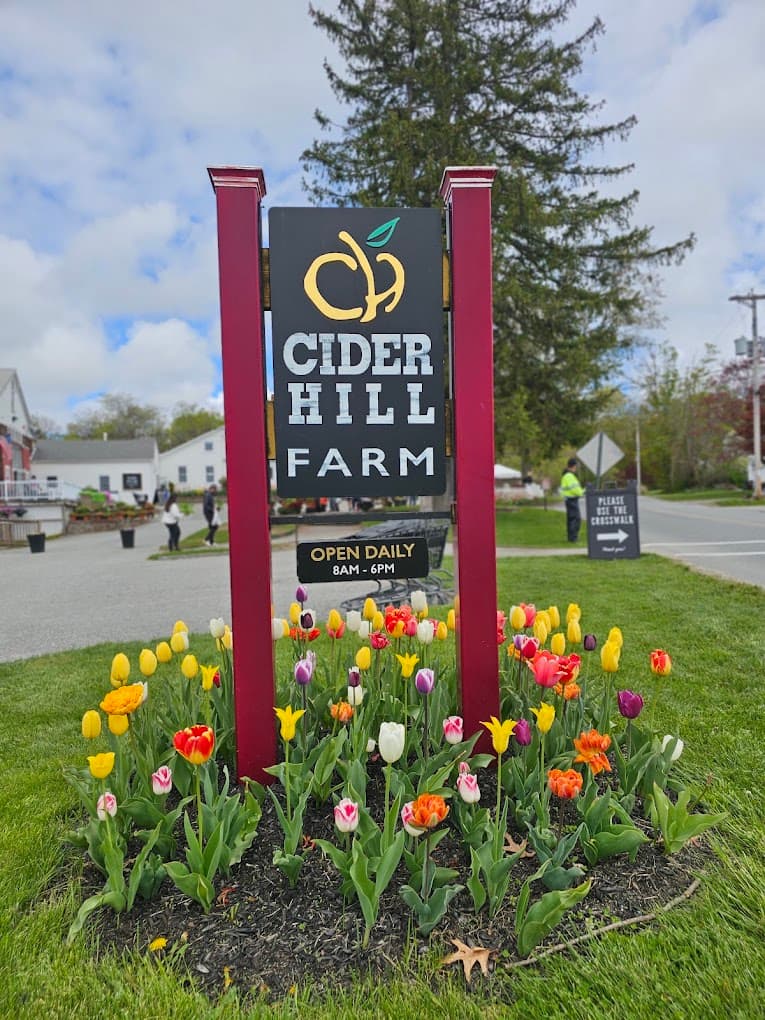
Cider Hill Farm in Amesbury is useful for North Shore orchard trips that stretch across several crops. Its fruit calendar includes summer and fall favorites, and the farm store, bakery, and fields make it a strong late-summer stop.

Tougas Family Farm in Northborough has a broad fruit calendar with cherries, blueberries, blackberries, peaches, nectarines, apples, and pumpkins. While pears and plums depend on the farm's current crop, Tougas is the kind of full-season orchard visitors often check when late-summer fruit is the goal.
Parlee Farms in Tyngsboro is another north-of-Boston farm with a long pick-your-own season. It is especially useful for families who want backup crops if pears or plums are not available that week.
Why pears and plums are trickier
Apples are sturdy and public picking is easy to manage. Pears and plums are more delicate. Some varieties bruise easily. Some ripen better off the tree. Some farms harvest them for the stand rather than let customers pick the rows.
That does not make the trip less worthwhile. It just changes the plan. A pear-and-plum outing is often more about the farm market, orchard atmosphere, and late-summer produce than a huge pick-your-own haul.
When to look
Plums often appear in late summer. Pears usually begin around August and can continue into September depending on variety. Connecticut sources often list summer apples and pears beginning around mid-August, which matches the general late-summer rhythm across southern New England.
Northern farms may run later. Coastal farms may run differently from inland orchards. The farm's daily update is always better than the calendar.
How to handle the fruit
Pears are often picked firm. Let them ripen on the counter until the neck gives slightly when pressed. Do not wait for the whole fruit to feel soft. Plums should feel gently yielding and smell sweet when ripe. Keep both fruits out of hot cars.
Use pears in salads, tarts, butter, sauce, and roasted dishes. Use plums for jam, cake, skillet desserts, or eating over the sink before anyone else gets to them.
Questions people ask about pear and plum picking
Can you pick pears in New England?
Yes, at some orchards, but not everywhere. Many farms sell pears through the farm store instead of opening rows for public picking.
When are pears ready in New England?
August and September are the main months, with timing varying by variety and location.
Are plums available for pick-your-own?
Sometimes. Plum picking is less common than apples or berries, so check farm updates before driving.
What is the best backup plan?
Choose an orchard with a strong farm market, bakery, apples, flowers, berries, or early fall activities. Late-summer fruit changes quickly.