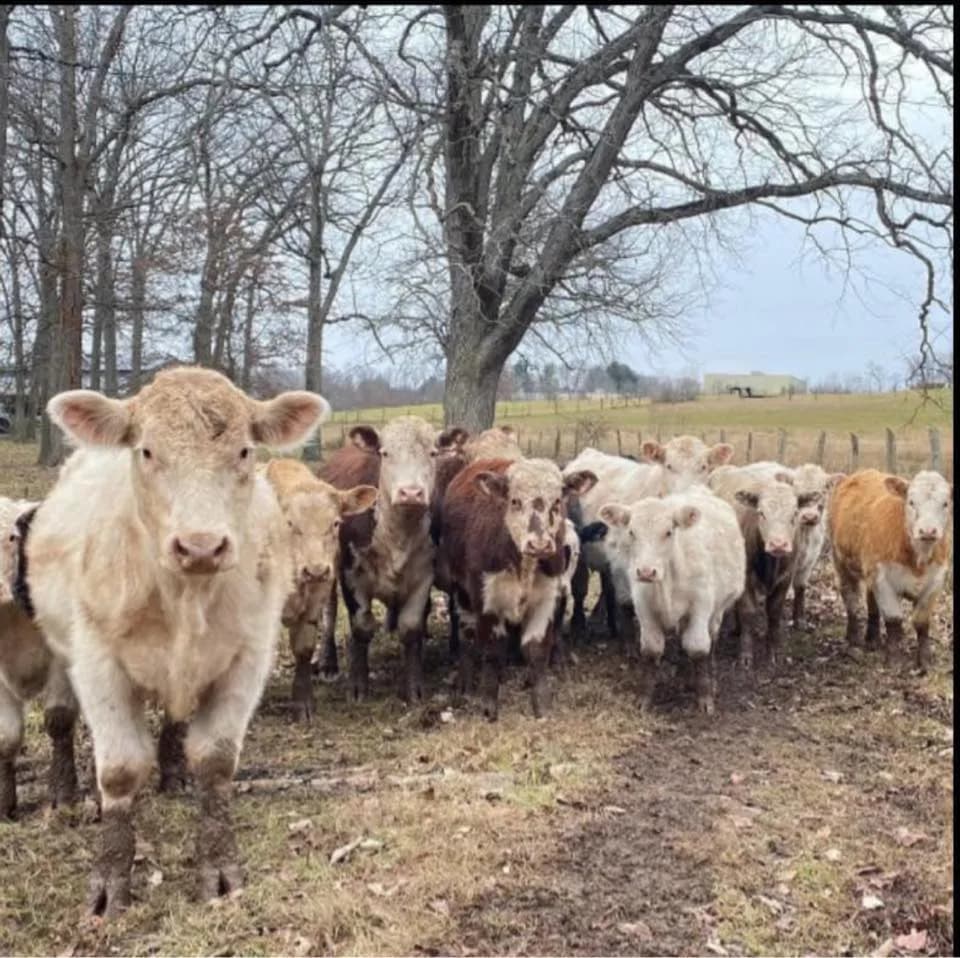
Seasonal produce at a Vermont farm stand for CSA pickup.

CSA shares

CSA Farm Shares in Vermont

A CSA farm share changes the way a week feels. Instead of deciding everything at the grocery store, you build meals around what the farm harvested. In Vermont, that might mean greens and radishes in June, tomatoes and basil in August, squash and onions in October, and a winter box of roots, meat, maple, eggs, or storage crops when the fields are quiet.

CSA programs are not all the same. Some farms offer a weekly box. Others use farm credit, market-style pickup, flower shares, meat shares, egg add-ons, pantry goods, or flexible membership models.

Worth knowingCSA signup windows are short in Vermont. Many farms open shares in late winter or early spring — check listings for pickup details.

The season at a glance

CSA signup often happens before the main harvest season. Summer shares commonly run from late spring or early summer into fall. Some farms add spring, flower, fruit, meat, egg, maple, winter, or year-round options. The earlier you look, the more choice you usually have.

Rural Vermont farm fields behind a CSA pickup stop.

Rural Vermont farm fields behind a CSA pickup stop.

Farm picks

Farms to know

These farms anchor this route. Start here, then follow the town, season, and nearby farms that match the trip you want to take.

Farm photography at Sweetland Farm, Norwich, Vermont.

Norwich, VT

Sweetland Farm

Sweetland Farm is a Norwich farm connected to farm shares, produce, flowers, and Upper Valley farm-stand shopping.

VT
Farm photography at Woods Market Garden, Brandon, Vermont.

Brandon, VT

Woods Market Garden

Woods Market Garden is a Brandon market garden with vegetables, flowers, strawberries, pumpkins, and farm-store energy.

VT
Farm photography at Harlow Farm, Westminster, Vermont.

Westminster, VT

Harlow Farm

Harlow Farm is a Westminster farm with farm-store shopping, farm-stand produce, pumpkins, CSA options, and farm education.

VT
Farm photography at Sam Mazza's Farm Market, Colchester, Vermont.

Colchester, VT

Sam Mazza's Farm Market

Sam Mazza’s Farm Market is a Colchester farm market with berries, flowers, pumpkins, a farm store, and a strong Burlington-area visitor role.

VT
Farm photography at Dutton Berry Farm, Newfane, Vermont.

Newfane, VT

Dutton Berry Farm

Dutton Berry Farm is a Manchester farm stand and greenhouse destination with berries, maple, cider, baked goods, pantry items, and local produce.

VT

Mapped farms

Vermont CSA farm shares on the map

Compare pickup towns and share types before signup season closes.

Map preview

The farm list is available now. Browse farms on this page or open the full map.

Regions

Best regions to plan around

Burlington and the Champlain Valley

The Champlain Valley has some of Vermont’s most visitor-ready farm stops. Colchester, Shelburne, Shoreham, and nearby towns mix orchards, farm markets, cider, flowers, vegetables, and lake views.

Mad River Valley and central Vermont

Waitsfield, Warren, Waterbury, and nearby towns bring together maple, farm stands, vegetables, flowers, and mountain scenery. This region is especially strong for road trips that combine food and views.

Upper Valley

Norwich, Woodstock, White River Junction, and the Connecticut River towns are good for CSA farms, farm stores, orchards, local meat, and farm stands with a steady local following.

Southern Vermont

Dummerston, Brattleboro, Manchester, Bennington, and surrounding towns create farm routes with orchards, heirloom fruit, farm stores, maple, and village stops.

Northeast Kingdom

The Northeast Kingdom is maple country with wide-open rural drives, dairy farms, local meat, small farm stores, and some of the state’s most memorable sugaring-season stops.

Berry field and barn for Vermont CSA and u-pick farms.
Family with a harvest basket at a Vermont CSA farm.

How to choose the right CSA

Look at pickup location first. A beautiful share is hard to use if pickup falls on a day or town that never works for your routine.

Next, study the structure. A boxed share is simple and generous, but less flexible. A market-style or credit share can be easier for households with picky eaters or irregular schedules.

Then think honestly about cooking. A CSA works best for people who are willing to wash greens, roast roots, freeze extra berries, turn herbs into sauces, and build simple meals around what arrives.

Types of shares to look for

Vegetable shares are the classic model. Flower shares bring weekly bouquets. Fruit shares may include berries, apples, peaches, or pears when available. Meat shares and egg add-ons help households build more of their food routine around local farms.

Farm credit models are especially practical. You pay ahead, then shop through the season from the farm stand, market booth, or online store. That model can feel less intimidating than a fixed box.

How to make a CSA easier at home

Set aside one hour after pickup for washing, trimming, and storing. Greens last longer, roots are easier to use, and herbs are less likely to disappear into the back of the fridge.

Keep simple recipes ready. Frittatas, soups, grain bowls, sheet-pan dinners, pesto, slaw, quick pickles, and roasted vegetables solve most CSA weeks without turning dinner into a project.

Before choosing a share

A CSA is easier when the pickup location is already part of your week. Convenience matters more than a perfect-looking share that is hard to collect.

Ask how substitutions work, whether vacation holds are available, and whether shares include add-ons like eggs, flowers, meat, fruit, bread, or maple.

In Vermont, CSA farms often overlap with farm stands, pick-your-own fields, flowers, meat, eggs, and farm credit models.

FAQ

Common questions

What does CSA mean?

CSA stands for Community Supported Agriculture. Members usually pay ahead for a share of a farm’s harvest or for farm credit used through the season.

Are CSA shares good for families?

They can be excellent for families that cook at home and want steady produce, eggs, flowers, meat, or farm-store goods. Flexible shares often work best for busy households.

When do CSA signups open in Vermont?

Many farms open signups in winter or early spring for summer shares. Some also offer fall, winter, flower, meat, egg, or year-round options.

Community

Share a field note

Compare pickup towns, share styles, and seasonal add-ons before choosing the CSA that feels easy enough to use every week.