of U.S. farms are family-owned and operated, according to USDA.
A public-interest mission for local food
Help keep New England farms visible.
New England Farm Guide exists for a simple reason: the farms that feed, teach, welcome, and strengthen our communities should be easier to find, easier to appreciate, and easier to understand.
The context
The story is bigger than a directory.
of U.S. adults met vegetable intake recommendations in 2019, according to CDC.
of U.S. calories came from ultra-processed foods in a recent CDC report.
of New England farmland has been lost over the last 60 years, according to American Farmland Trust.
Why this page exists
We have become disconnected from farms, seasons, and food origins.
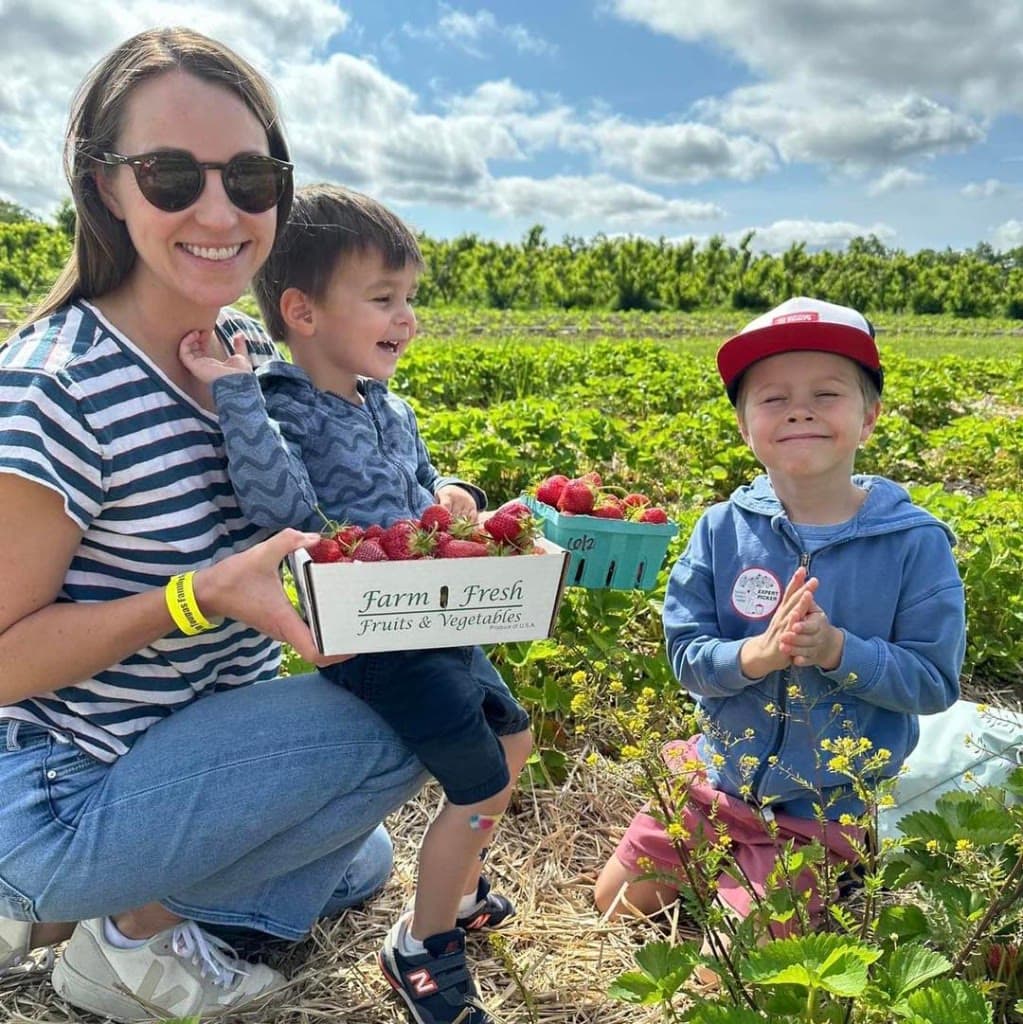
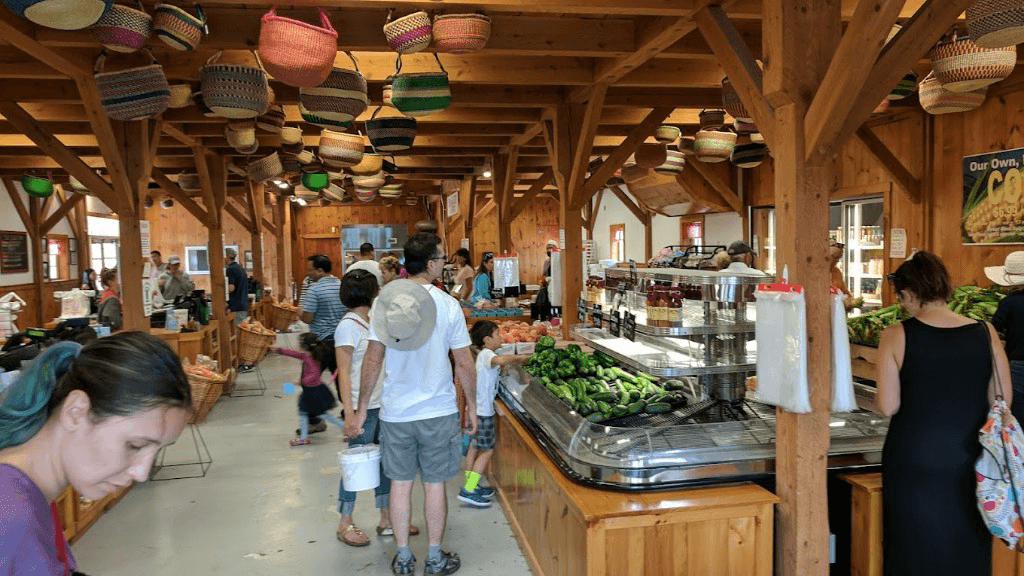
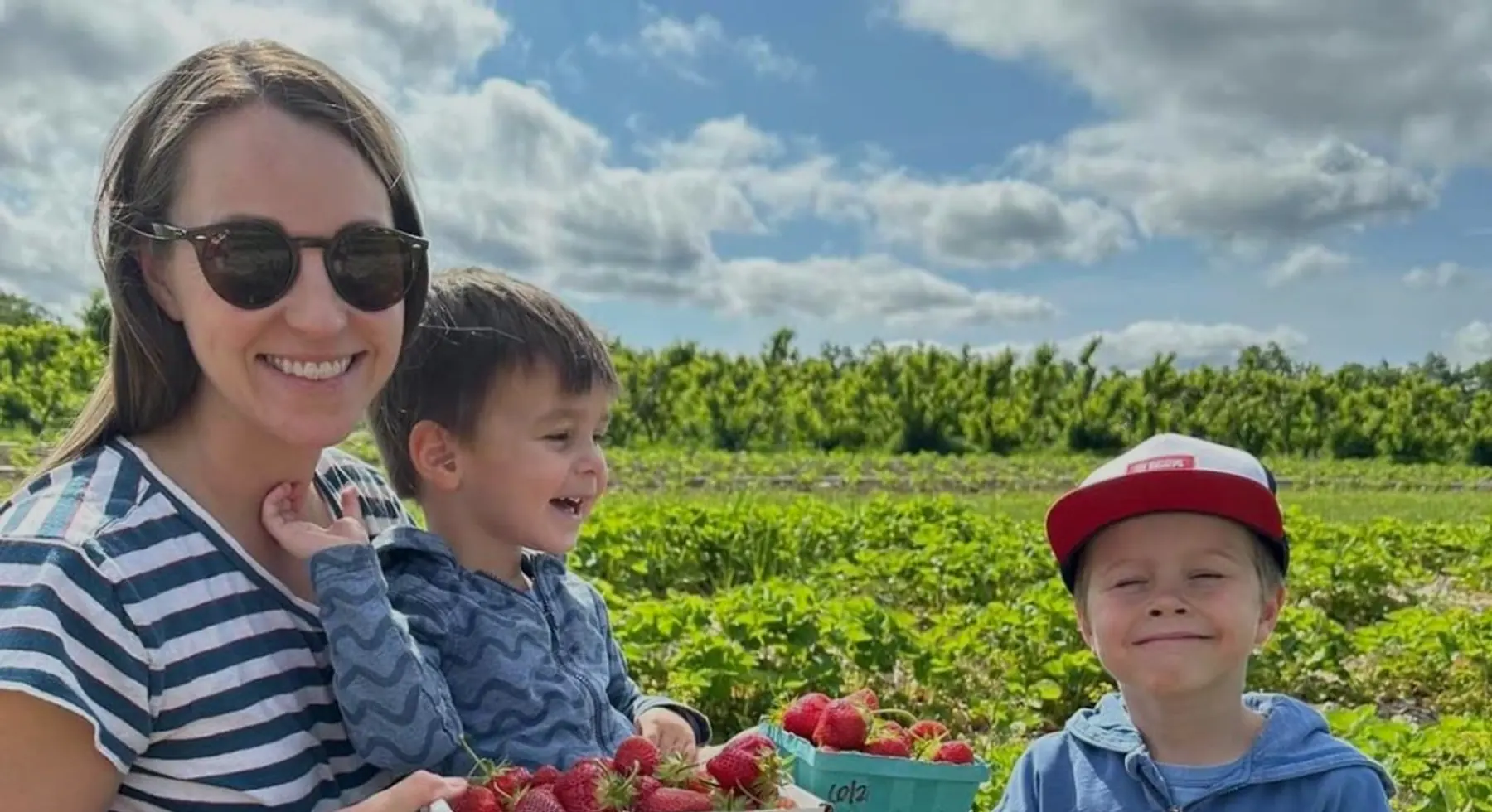
A farm visit can be wonderfully ordinary: a child seeing strawberries on a plant, a family learning when apples are ready, a neighbor finding a farm stand five towns over, or a visitor understanding why hours change with weather.
Those moments matter because they restore context. Food starts in soil, weather, labor, skill, risk, timing, and care. When farms are hard to find or listings drift out of date, the connection gets thinner.
New England Farm Guide is built to make that connection easier, one useful page, seasonal note, visitor tip, and reviewed update at a time.
The bigger food story
The issue is disconnection, not blame.
Grocery stores, processing, and modern food systems all have a place. The healthier question is how often people get to see fresh food in season, meet the people growing it, and understand the land and labor behind it.
Public health data show many adults do not meet fruit and vegetable recommendations, while ultra-processed foods account for a large share of U.S. calories. NIH has summarized controlled research showing that diet quality and processing can affect how people eat.
Careful language
Fresh, local, and accurate should be easier.
The guide does not need to attack anyone to be useful. It can help people choose more seasonal food, understand nearby farms, and ask better questions about where food comes from.
Pesticide questions deserve the same care. EPA explains that health effects depend on pesticide type and exposure, and that risk assessment and use limits are part of pesticide oversight.
What the guide can become
A living map of farms, seasons, and public trust.
A useful farm guide should feel alive. It should show where farms are, what they grow, what is typically in season, what visitors should know, and how a farm can keep its own page current.
Farm pages that explain crops, hours, visitor tips, and how to plan.
Seasonal guides that help families understand timing across New England.
Reviewed suggestions so the public can help without turning the guide into a rumor board.
Claim tools that let farms improve the information people already see.
Farm moments
Real places make the guide easier to trust.
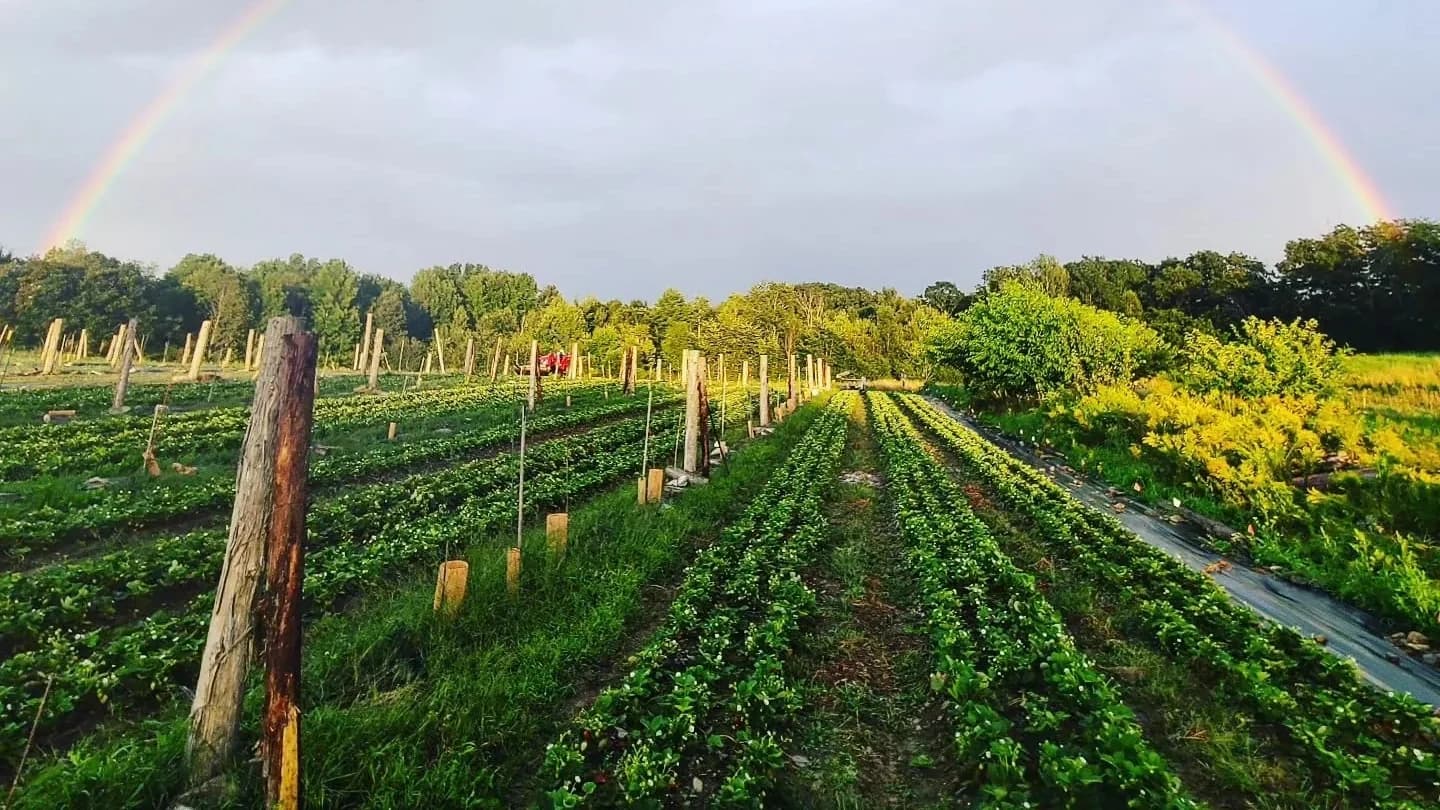
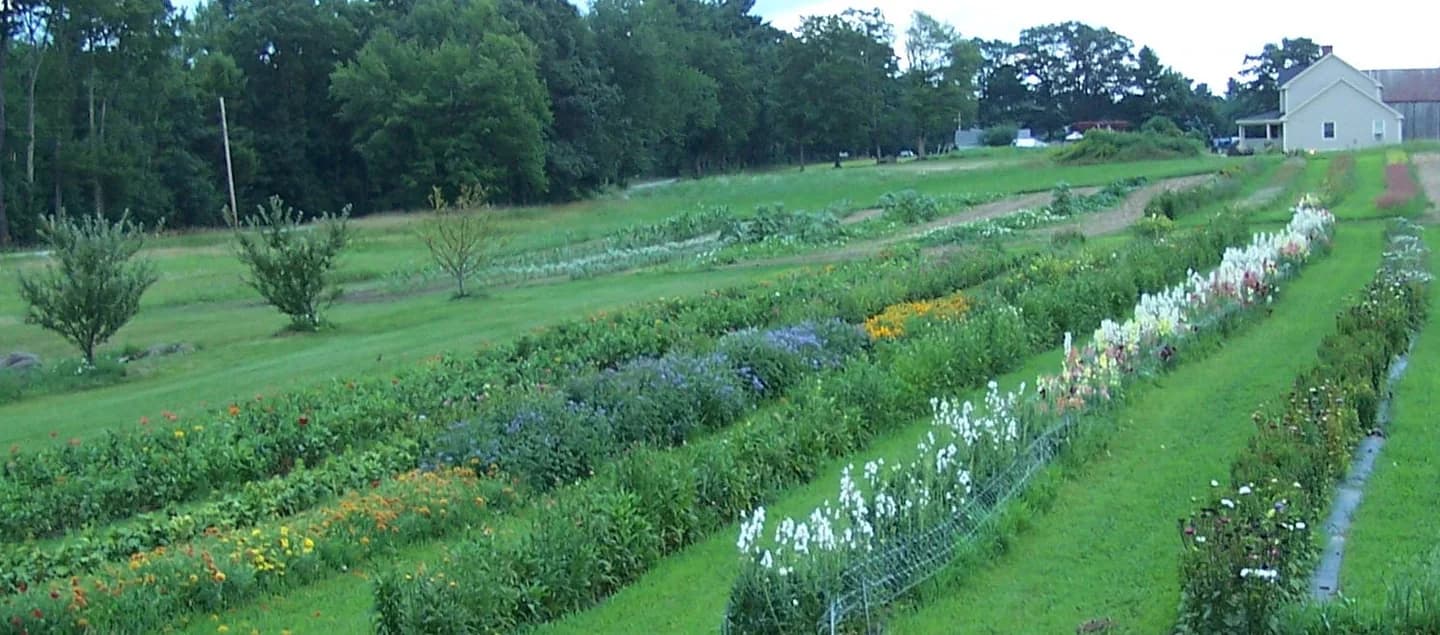
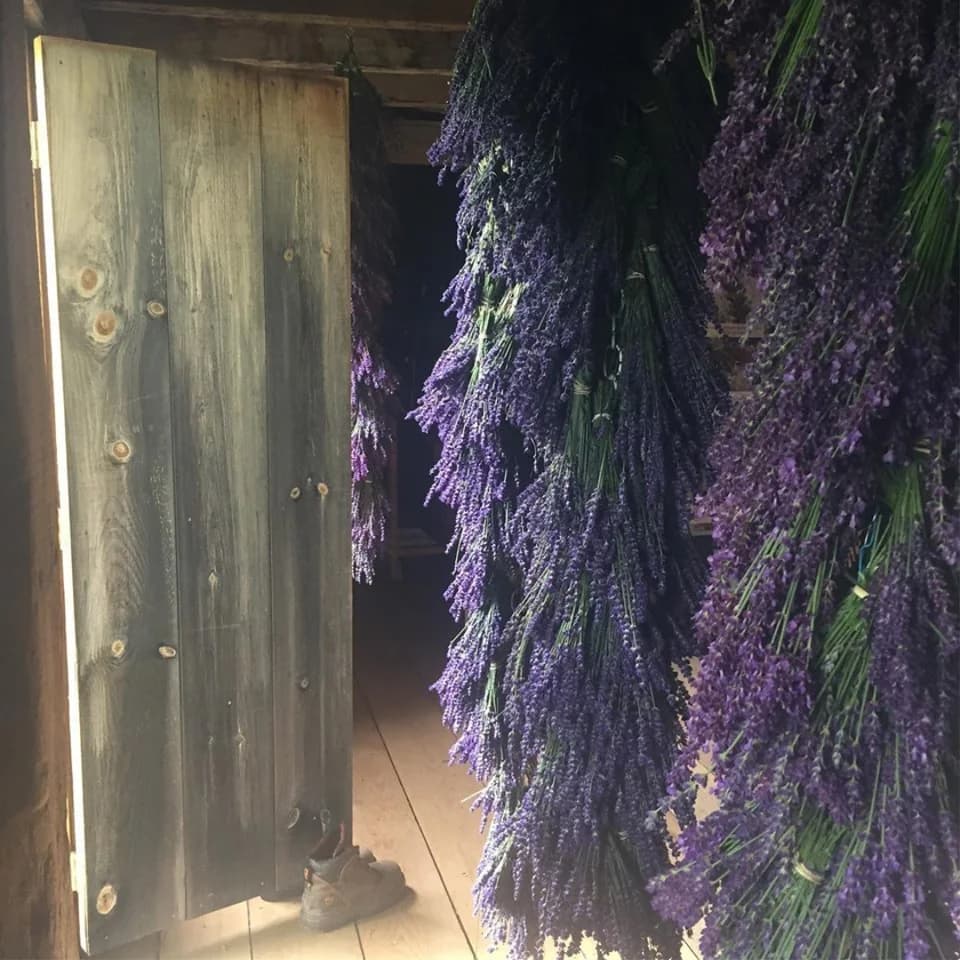
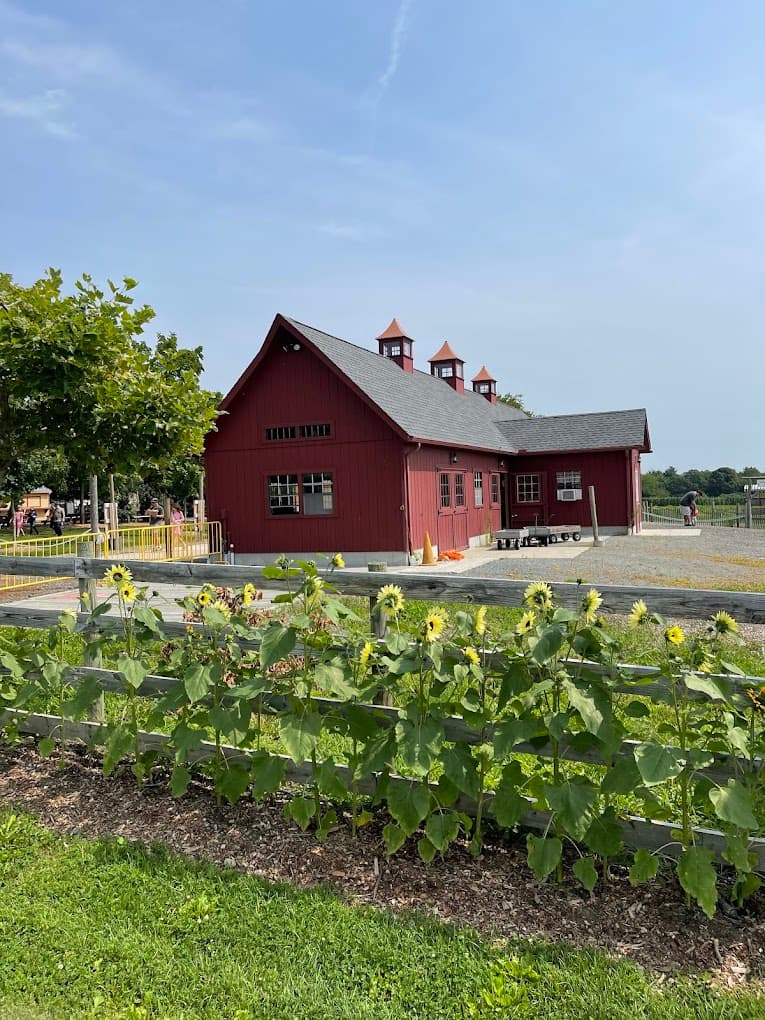
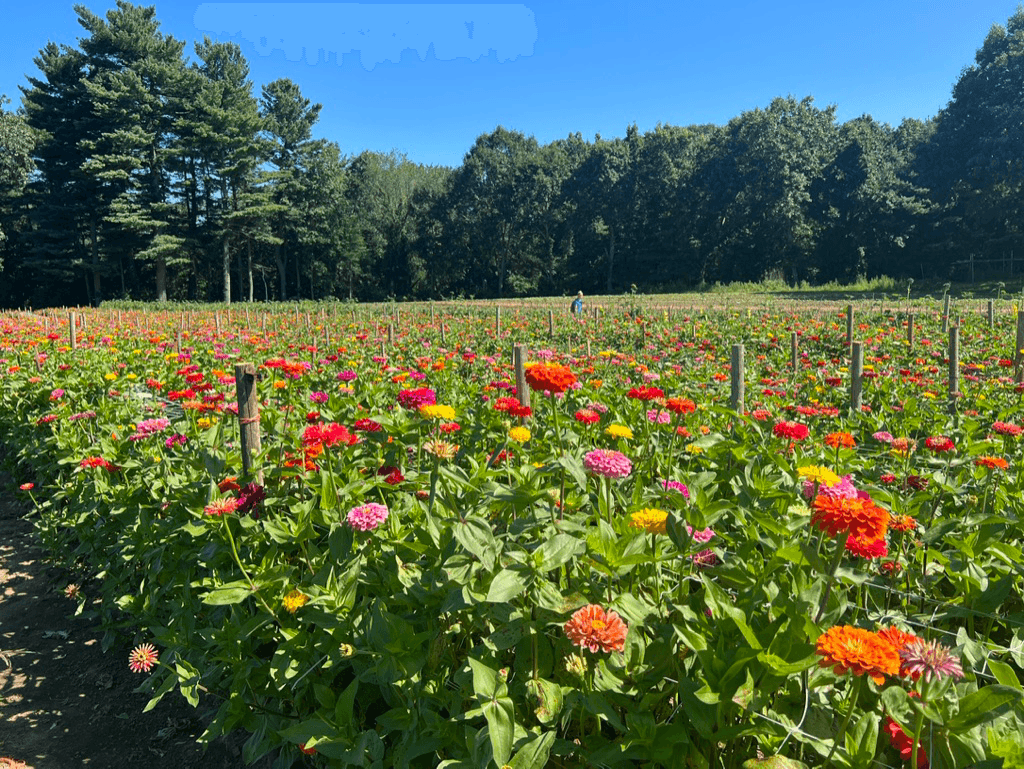
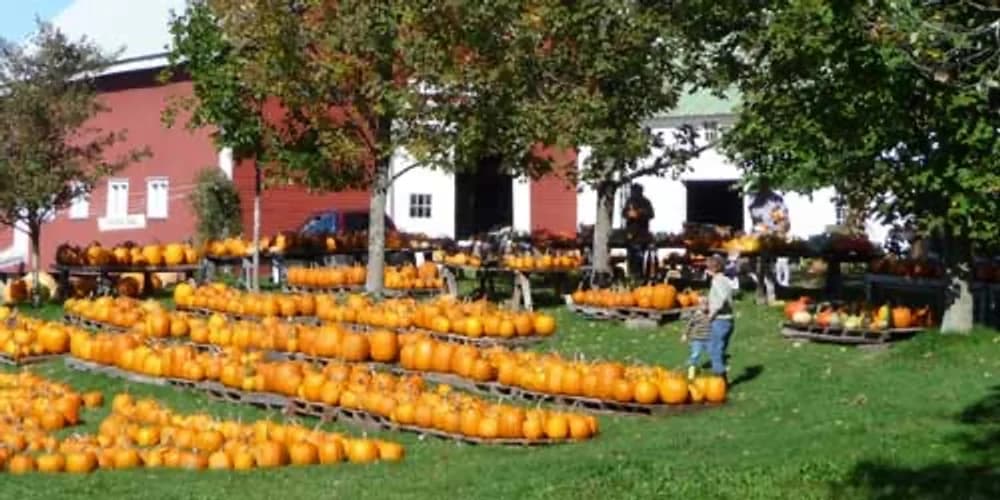
Beautiful photos help visitors recognize fields, seasons, paths, barns, and the small details that make each farm feel specific.
How everyone can help
This works best when the community keeps it useful.
Visitors
Choose a farm visit, notice what is in season, add a helpful tip, and share corrections when details have changed.
Farmers
Claim or update a page so hours, crops, photos, farm stand details, and seasonal notes stay useful for the public.
Schools
Use the guide to connect lessons about food, land, weather, seasons, and local work to real places nearby.
Local partners
Point residents and travelers toward farm stands, orchards, maple stops, pick-your-own fields, and seasonal events.
Community members
Send updates, flag old information, and help the next visitor arrive with better expectations.
New England Farm Guide
Keep accuracy clear, review public updates, and make farm discovery feel practical, respectful, and alive.
Trust promise
Accuracy should be part of the public trust.
Farms should be able to fix basic public details. Visitors should be able to suggest corrections without wondering whether anyone will review them. That is the trust layer this guide is meant to build.
- Accuracy should be easy to correct.
- Farm updates should be reviewed before publishing.
- Clear, current information should be easy for farms and visitors to improve.
- Visitors should know what is current, what is seasonal, and where details came from.
A better farm guide is a shared project
Help the next family find a farm worth visiting.
Sources behind this mission